
Modern Alternatives to Traditional Shoji Screens for Contemporary Interiors
Discover durable and sophisticated modern Shoji screen alternatives for luxury hospitality, commercial, and Japandi interior design projects.
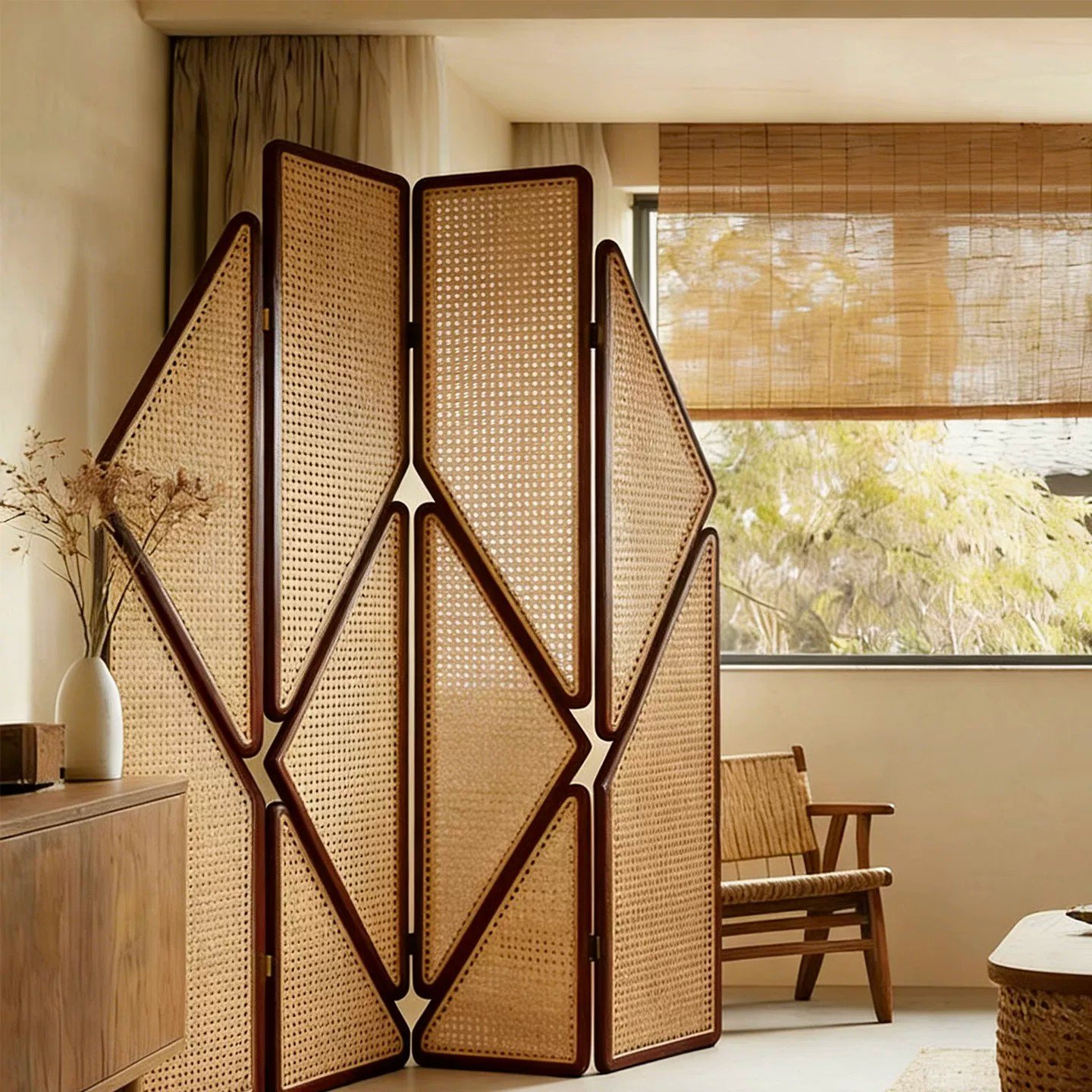
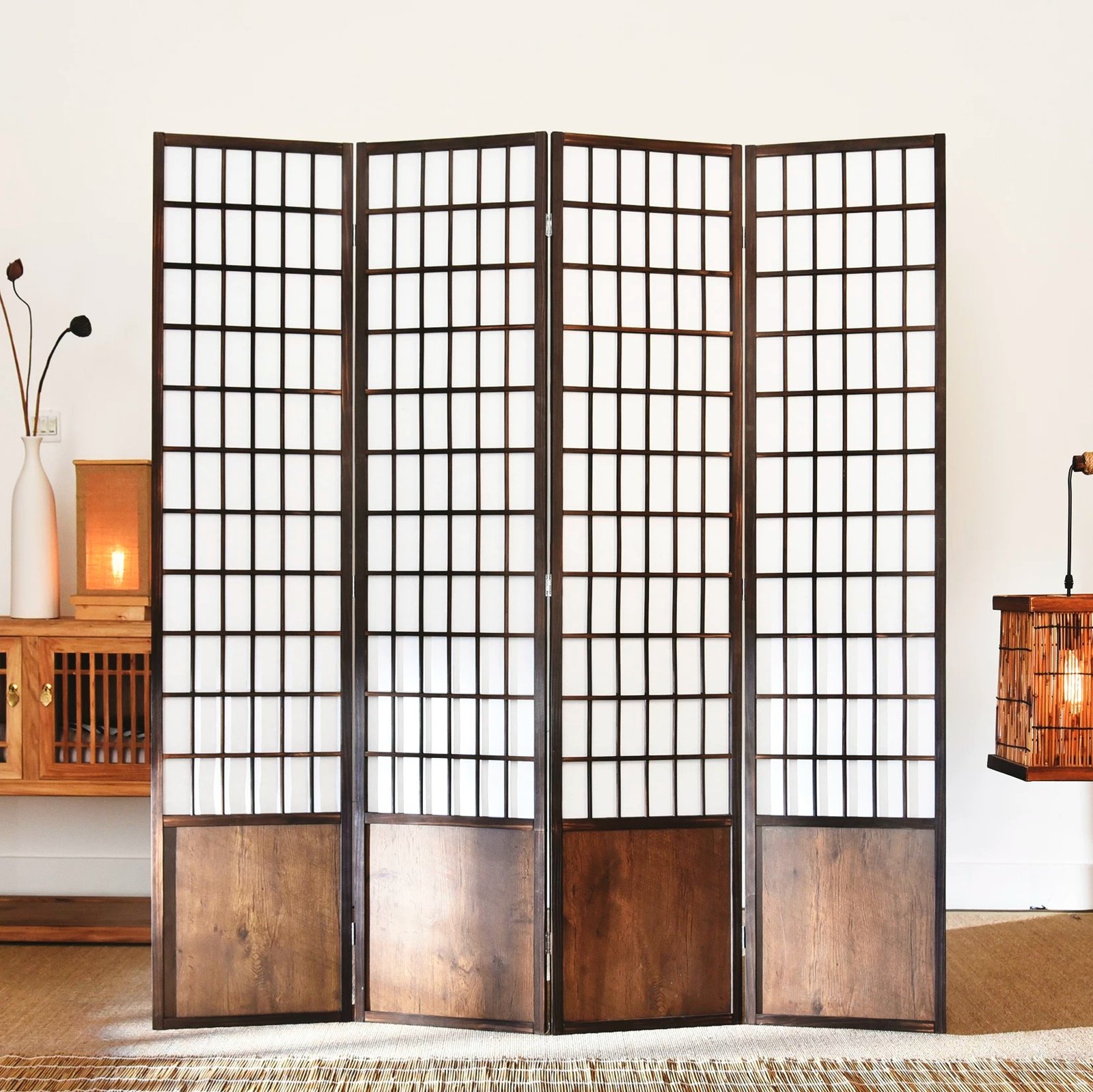
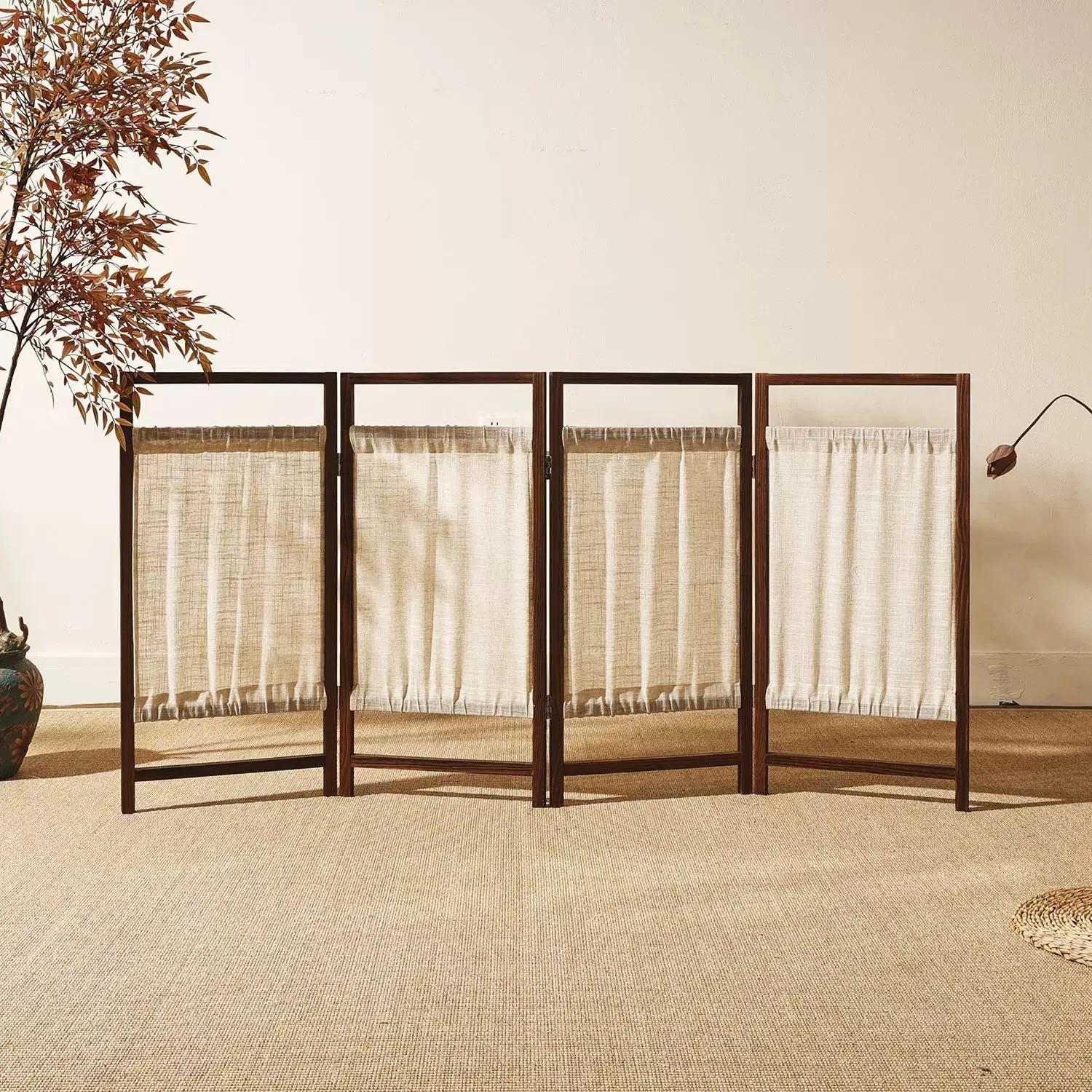
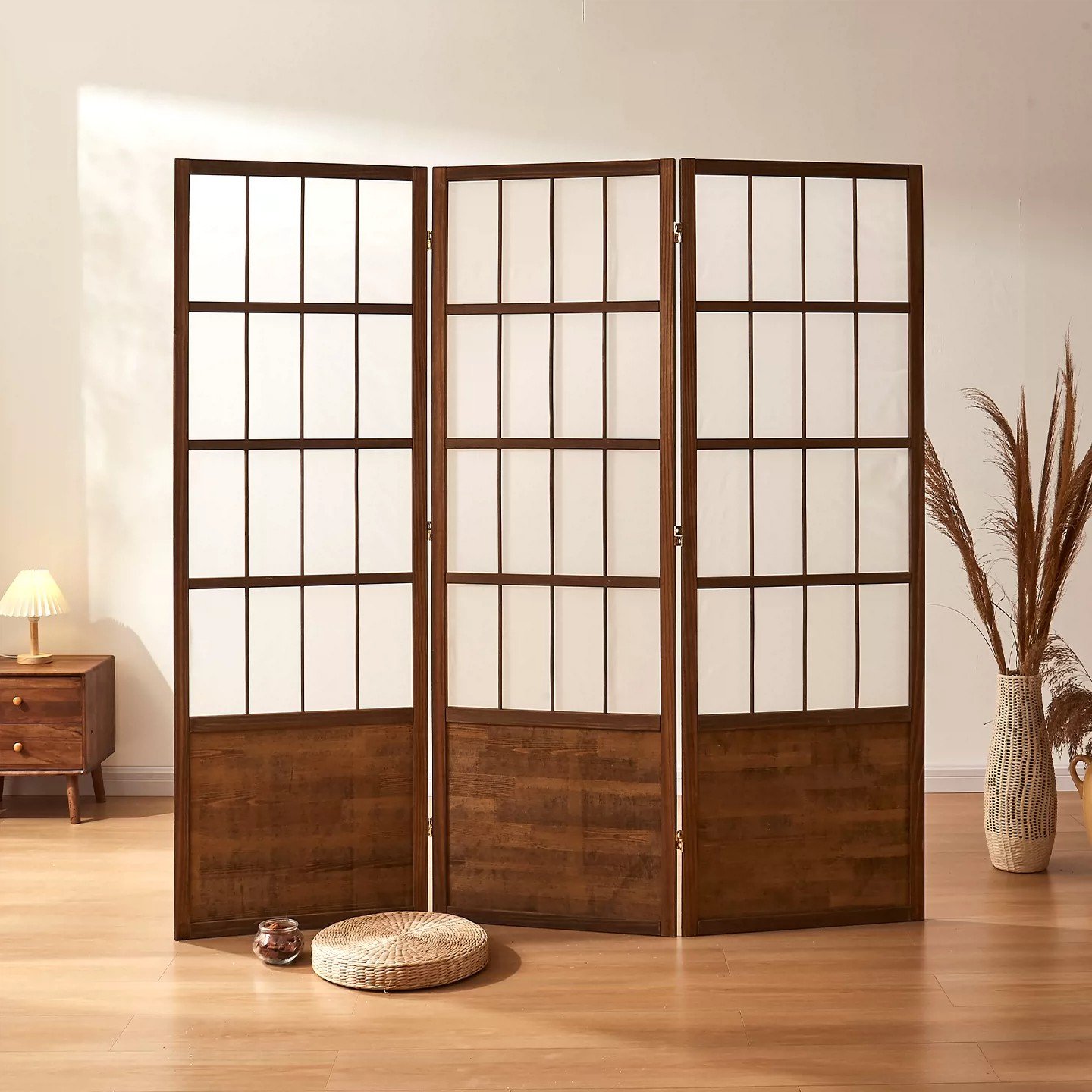
Japanese room dividers, also known as partitions or screens, offer a practical and aesthetic solution for modern interior design. Their inherent simplicity, elegant lines, and integration of natural materials align perfectly with current trends in luxury hospitality and commercial architecture. For architects and designers working on sophisticated spaces, selecting the appropriate Japanese-style screen involves considering functionality, material performance, and aesthetic integration.
Understanding the nuances of Japanese screen selection is essential for projects ranging from hotel lobbies to upscale restaurants and premium residential interiors. This guide provides a detailed professional perspective on how to make an informed choice that enhances spatial flow and design coherence.
Before exploring design variations, it is critical to define the screen’s primary function within the space. Will it serve as a complete privacy barrier, a visual screening element, or a purely decorative feature?
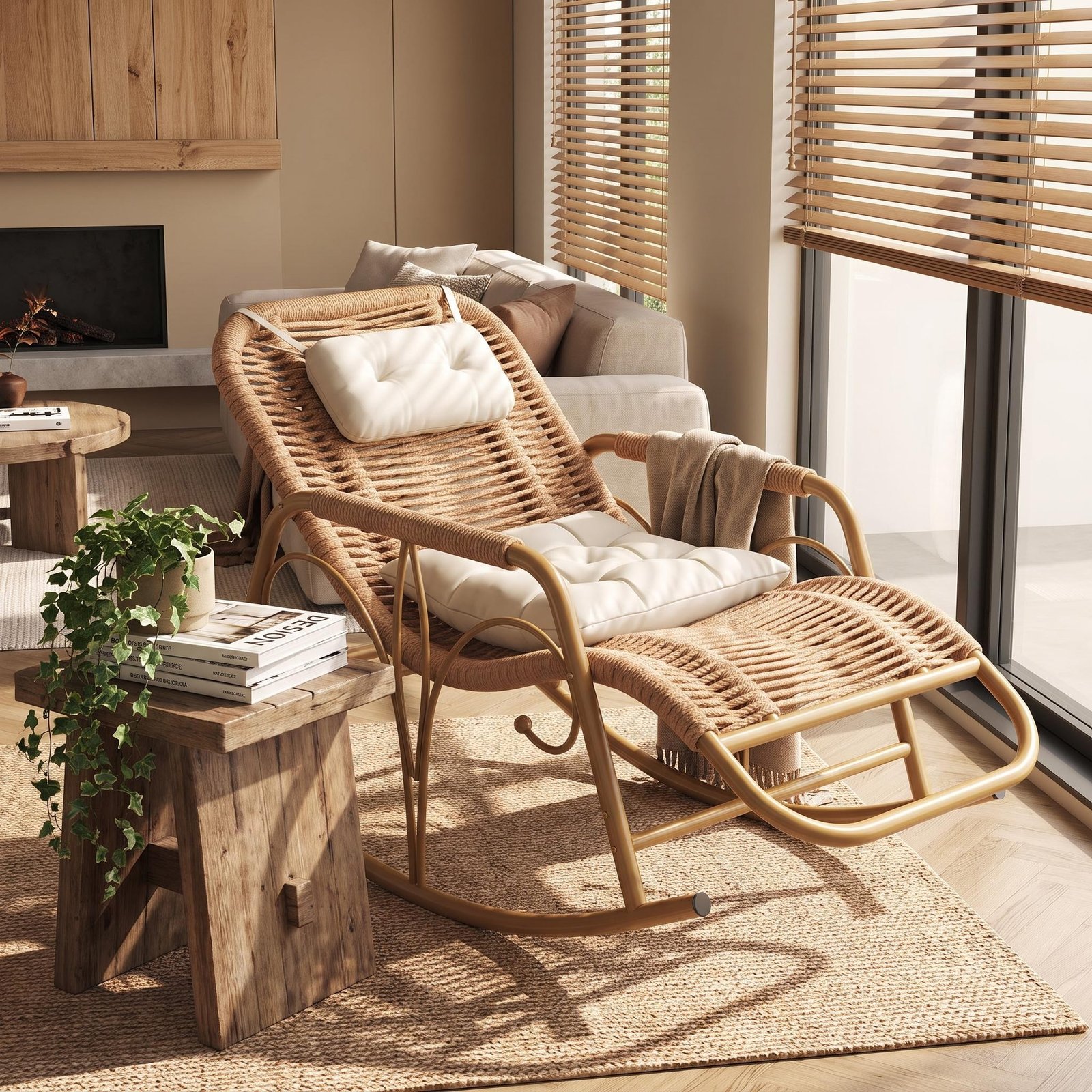
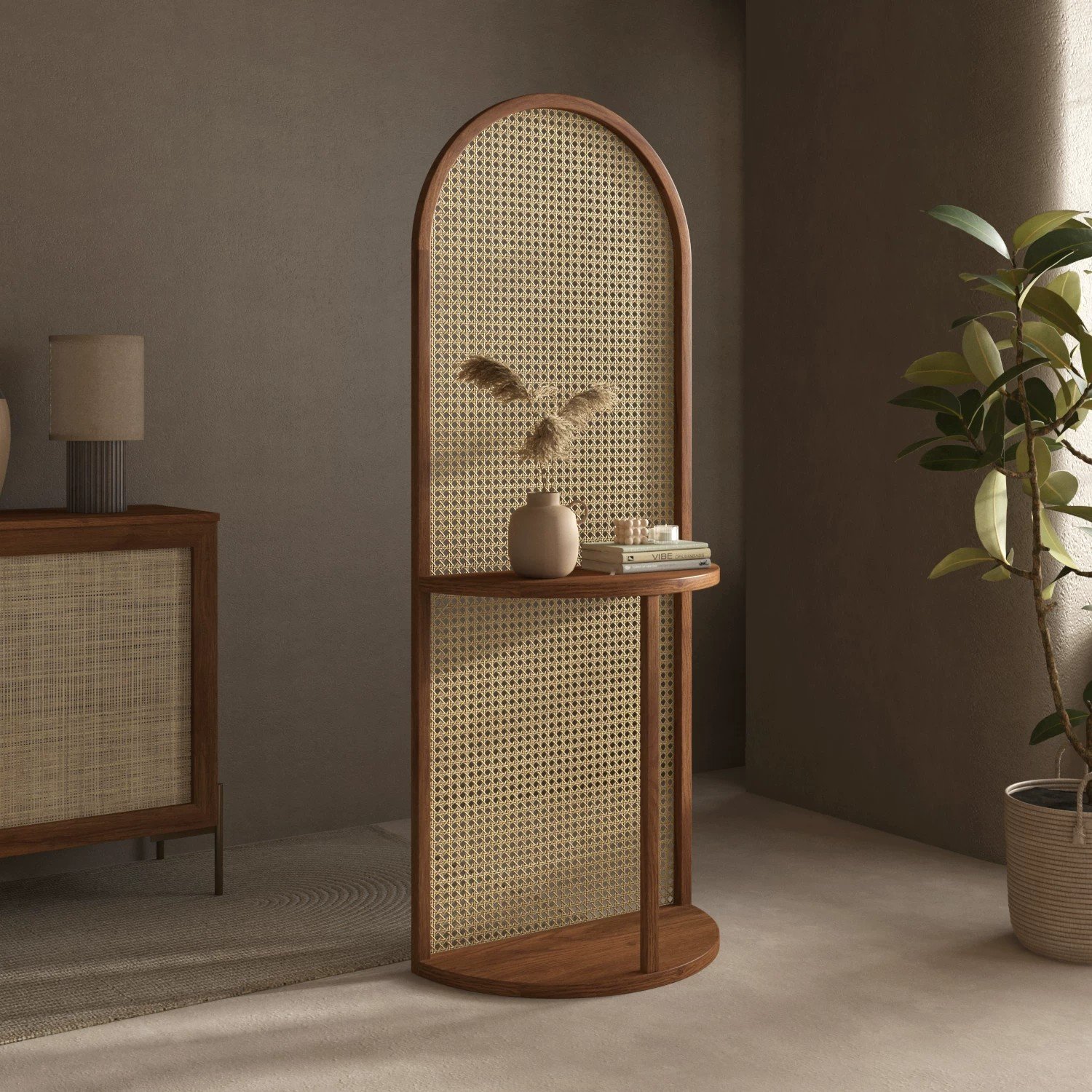
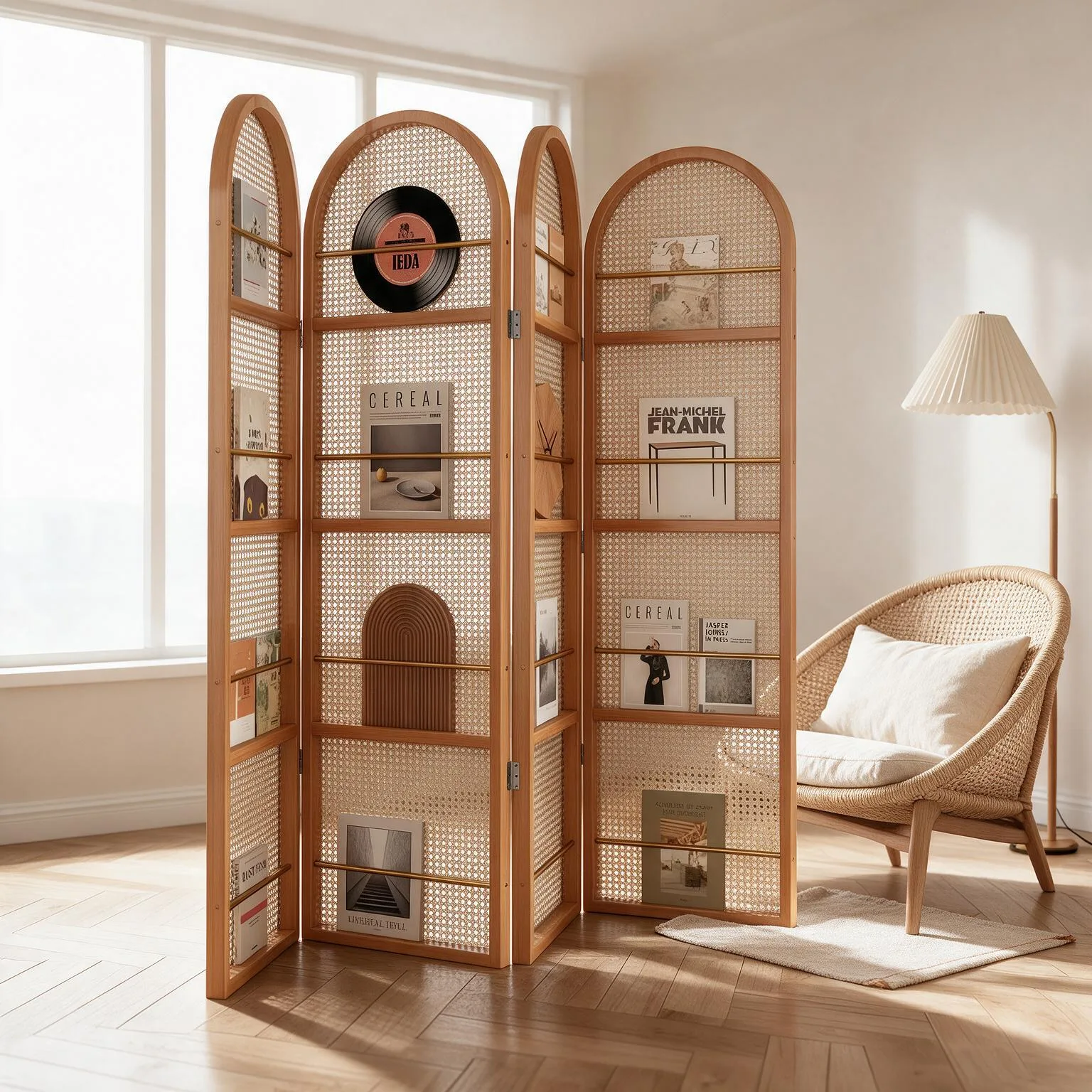
The choice of material for both the frame and the infill panel significantly impacts the screen’s aesthetic, durability, and suitable applications. Modern interpretations of Japanese dividers often utilize natural materials such as bamboo, engineered wood, or rattan.
Bamboo is an excellent material choice for contemporary Japanese-style dividers, offering exceptional strength-to-weight ratio, rapid renewability, and distinct natural texture. Available in various species, diameters, and finishes, bamboo can be crafted into delicate screens with fine slats, robust partitions with larger-diameter poles, or intricate woven panels. Bambooforma provides customized natural material solutions, utilizing sustainable bamboo for premium architectural systems.
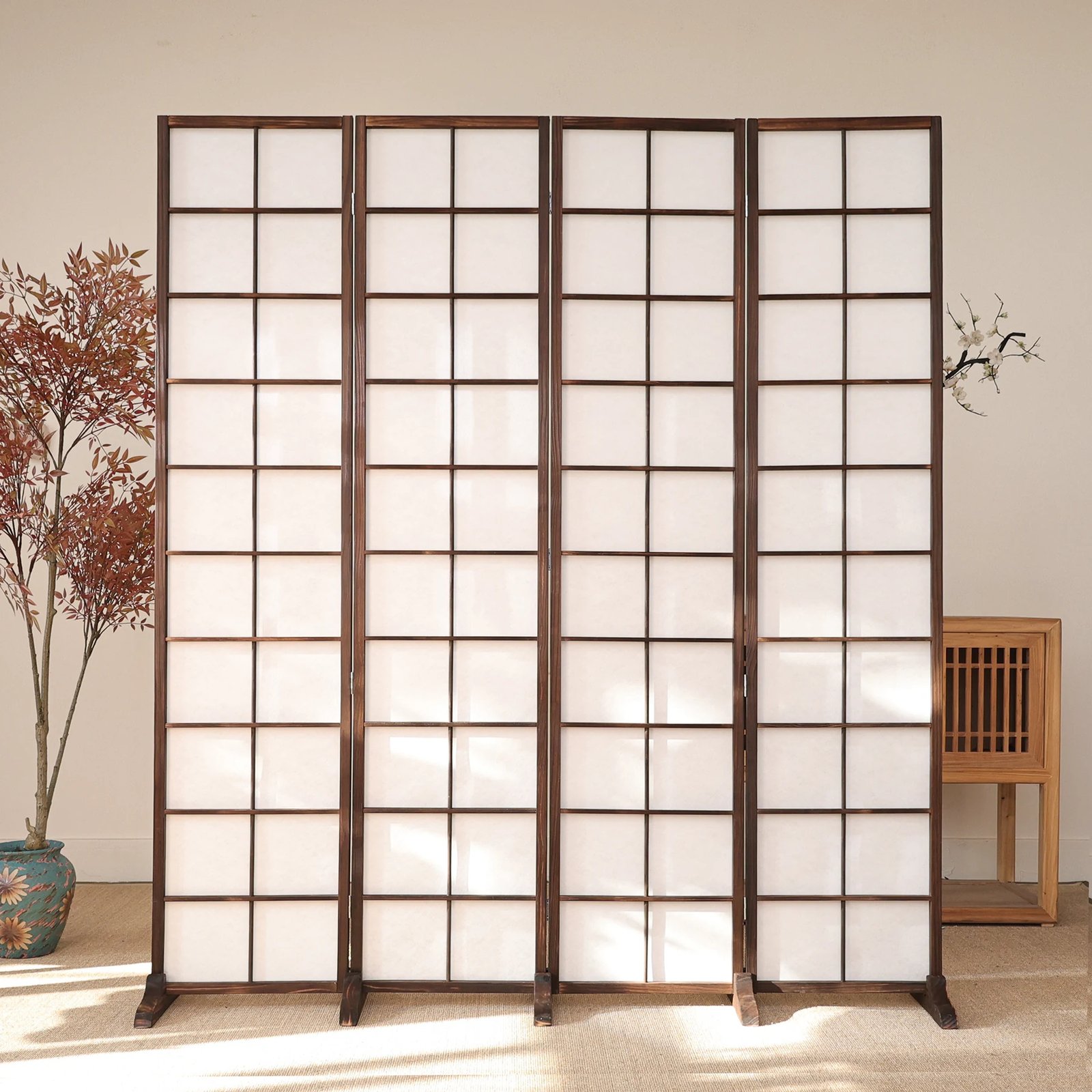
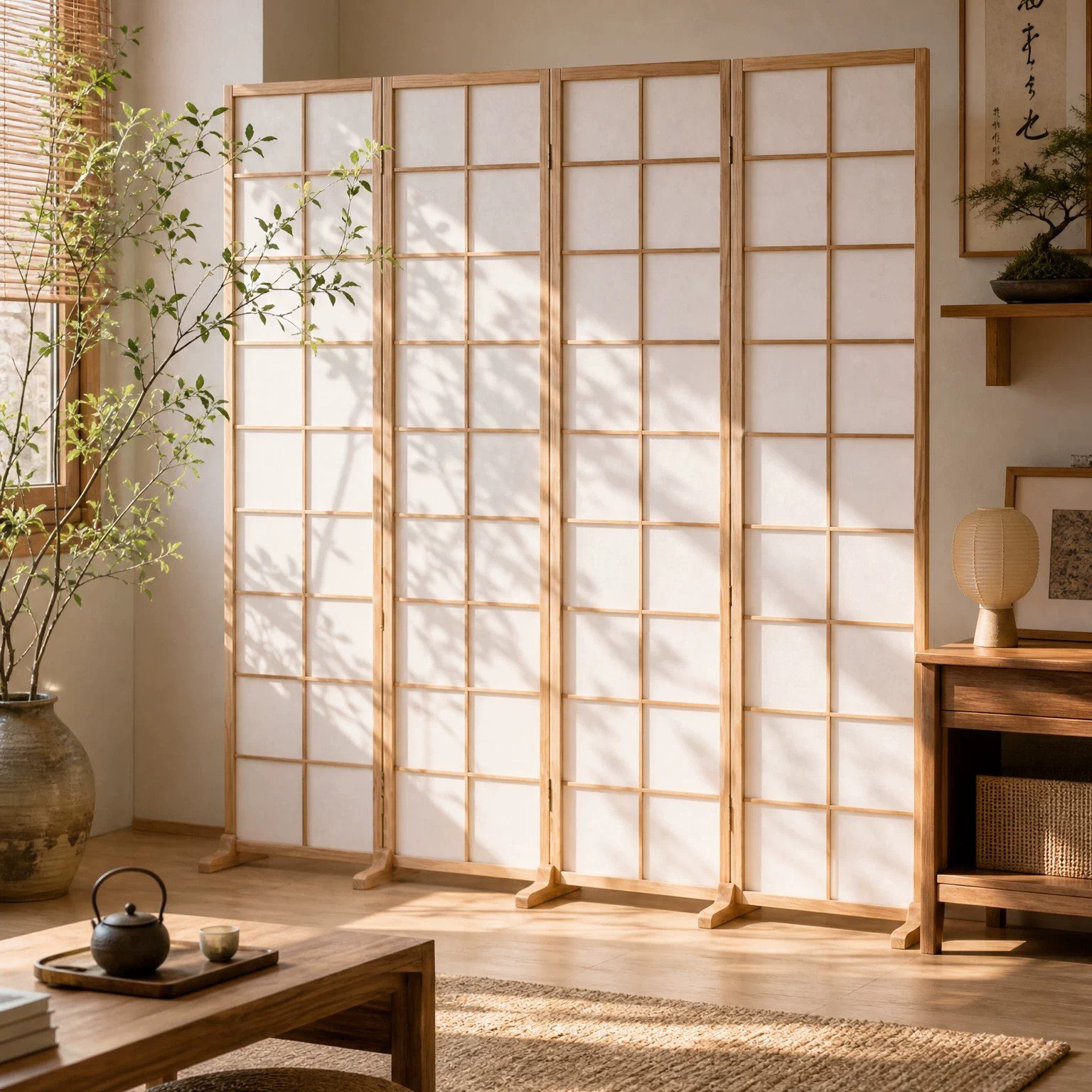
Traditional Japanese screens, particularly Shoji, feature translucent paper infills. While paper may be less suitable for demanding commercial environments due to maintenance and durability concerns, modern alternatives exist. Translucent acrylics, frosted glass, or specialized fire-rated composite materials can replicate the soft, diffuse light effect while offering significantly higher resistance to moisture, impact, and wear. These materials maintain the essential aesthetic while ensuring long-term performance in high-traffic settings.
The aesthetic choice of a Japanese room divider should complement the overall design concept, particularly within spaces featuring Japandi or Scandinavian-influenced interiors. Consider the following design elements:
In hospitality and commercial settings, durability and ease of maintenance are paramount. Screens should be robust enough to withstand regular use and occasional contact without sustaining damage.
While sharing aesthetic roots, modern interpretations typically utilize more durable materials such as engineered wood, bamboo, or acrylic/glass infills instead of traditional rice paper and softwoods. They often incorporate enhanced structural engineering and finishes suitable for high-traffic commercial environments, offering greater longevity and resistance to wear and tear.
Though not completely soundproof, dense screens, particularly those incorporating solid or partially solid panels, can effectively diffuse sound waves and reduce direct sound transmission, creating a perceptively quieter environment. For significant acoustic requirements, specialized acoustic infill panels can be integrated within the screen structure.
Generally, screens designed for interior use, featuring wood frames and paper-like infills, are not suitable for full outdoor exposure. However, specially treated bamboo partitions or screens designed with durable frames and weather-resistant infill materials can be utilized in semi-outdoor areas like covered patios or balconies, provided they are correctly specified for environmental exposure.
Yes, significant customization is often possible with specialized manufacturers. Bambooforma supports architects and designers with custom bamboo architectural systems, including tailored dimensions, finishes, and bespoke panel designs to meet the precise needs of unique hospitality or commercial projects.
Choosing the right Japanese room divider for a professional interior involves balancing functional requirements, material performance, and aesthetic intent. By carefully considering factors such as privacy, durability, maintenance, and overall design cohesion, architects and interior designers can select partitions that not only define space effectively but also elevate the atmosphere with the elegant use of natural materials. The integration of sustainable solutions like those offered by Bambooforma enhances both the project’s sustainability profile and its sophisticated aesthetic. For expert advice and custom-engineered natural material solutions for your next project, consult with the specialists at Bambooforma to explore the possibilities of premium Japanese-style partitions.
219