



Modern Alternatives to Traditional Shoji Screens for Contemporary Interiors
Discover durable and sophisticated modern Shoji screen alternatives for luxury hospitality, commercial, and Japandi interior design projects.
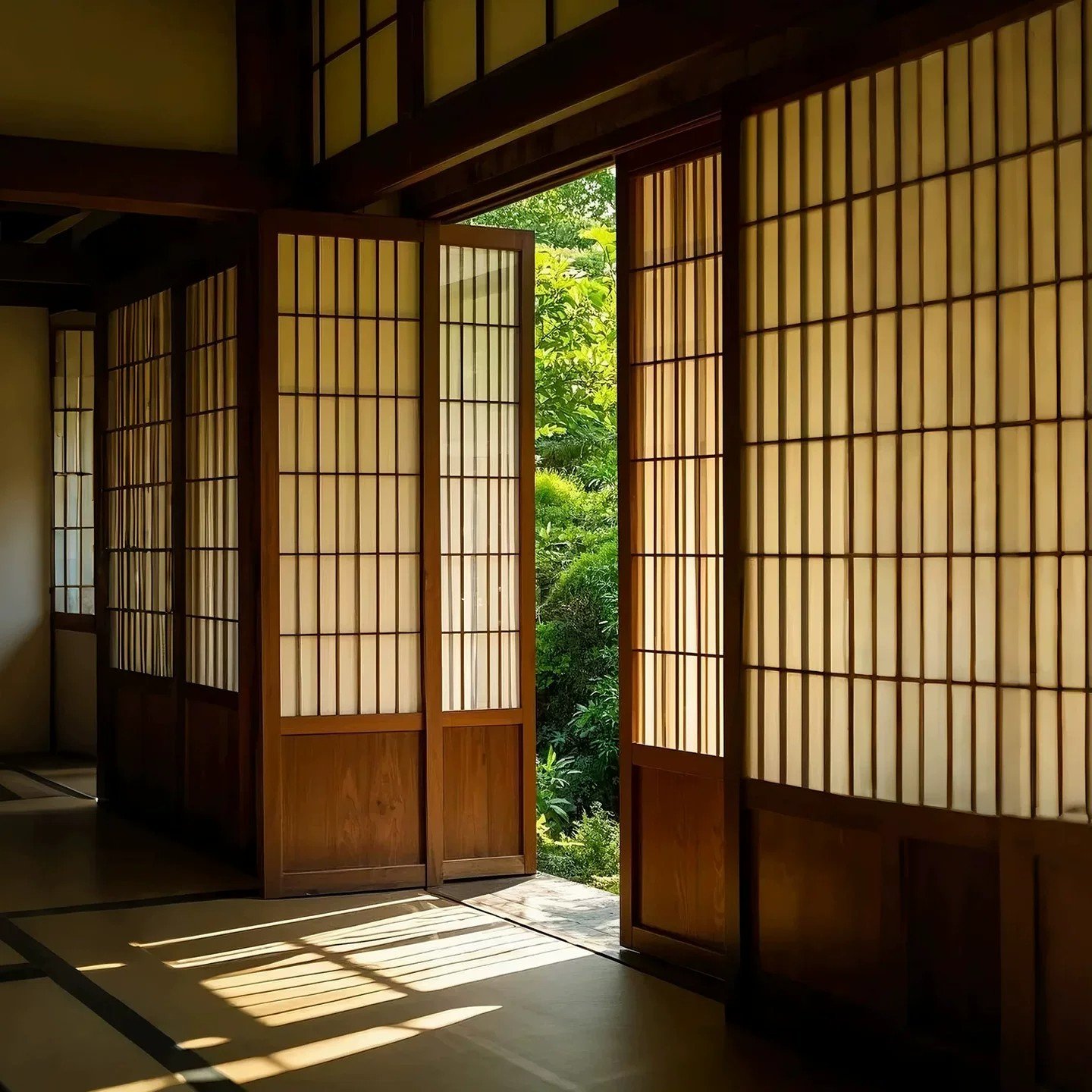
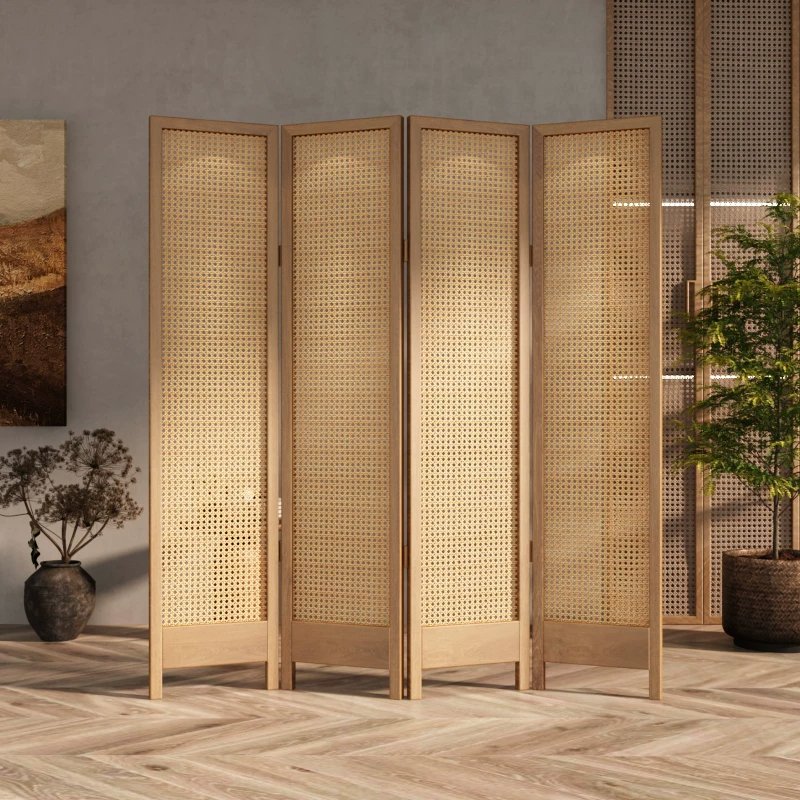
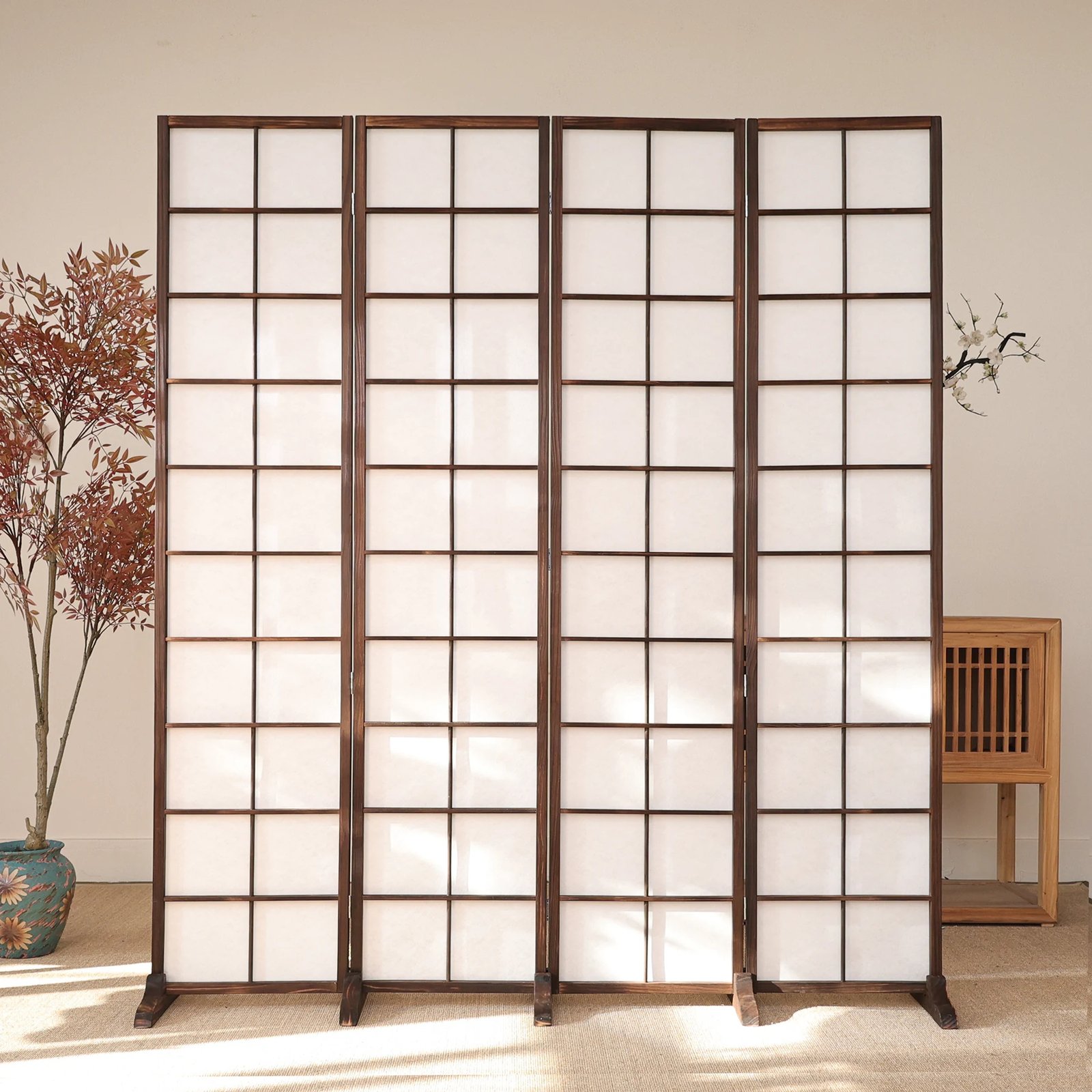
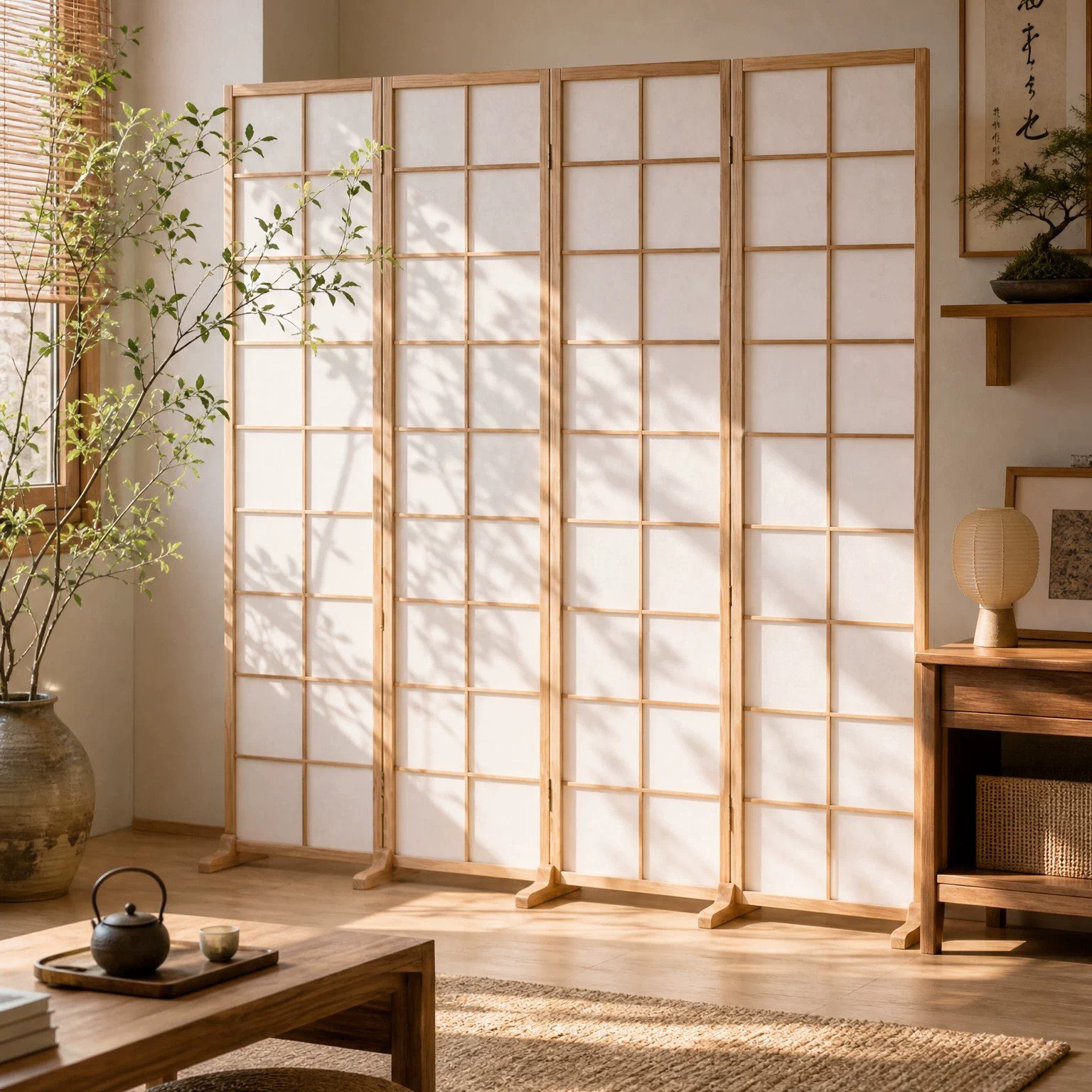
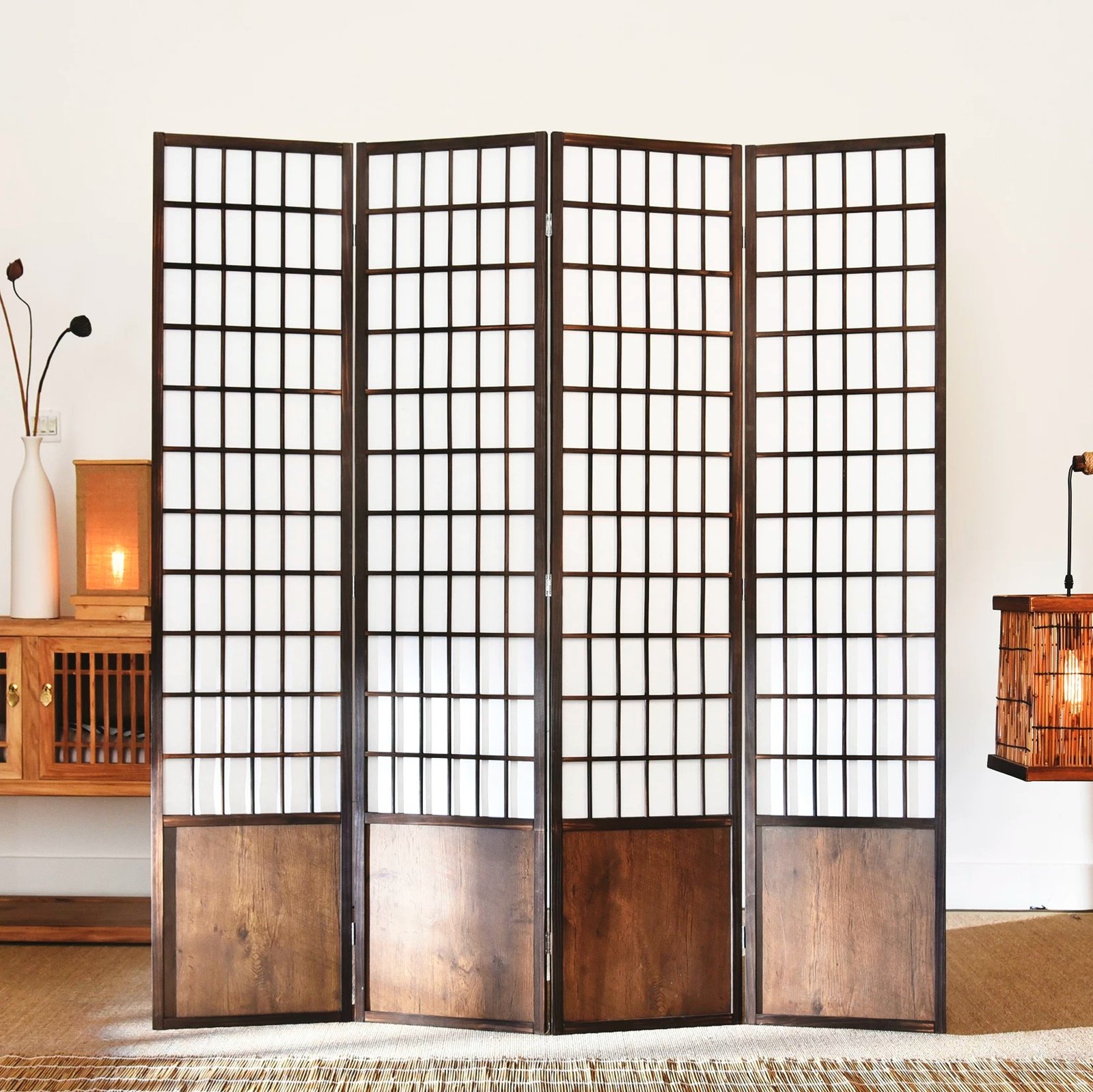
The traditional Japanese Shoji screen, with its delicate paper panels and subtle light diffusion, has long been a source of inspiration for architects and designers seeking to create serene, zoned spaces. In contemporary Japanese interior design and particularly the popular Japandi style, the core principles of the Shoji—translucency, structure, and minimal footprint—remain highly relevant. However, the delicate nature of rice paper and thin wooden grids often makes traditional Shoji impractical for high-traffic hospitality design or commercial projects where durability and maintenance are paramount. The industry is now demanding a robust modern Shoji screen equivalent that maintains aesthetic integrity while meeting commercial performance standards.
While the aesthetic appeal of traditional screens is undeniable, the operational reality of a luxury hotel or a bustling restaurant necessitates materials that can withstand rigorous use. A standard Shoji screen’s paper is easily punctured, and the lightweight frame can be fragile. The modern architectural interpretation focuses on adapting the concept of the Shoji—creating flexible, semi-private zones that allow for the passage of light—using advanced materials and construction techniques. This evolution has led to a variety of sophisticated Shoji screen alternative solutions that deliver the required aesthetic value without the inherent vulnerabilities of traditional models.
In contemporary commercial spaces, the role of a partition has expanded beyond simple division. It must now contribute to the brand identity, enhance the guest experience, and often meet specific acoustic or fire-safety requirements. A contemporary Shoji room divider must therefore be a engineered system, not merely a decorative addition. This shift in perspective allows designers to incorporate the philosophy of Japanese spatial design into diverse contexts, from spa retreat relaxation areas to corporate breakout spaces, using materials that ensure longevity.
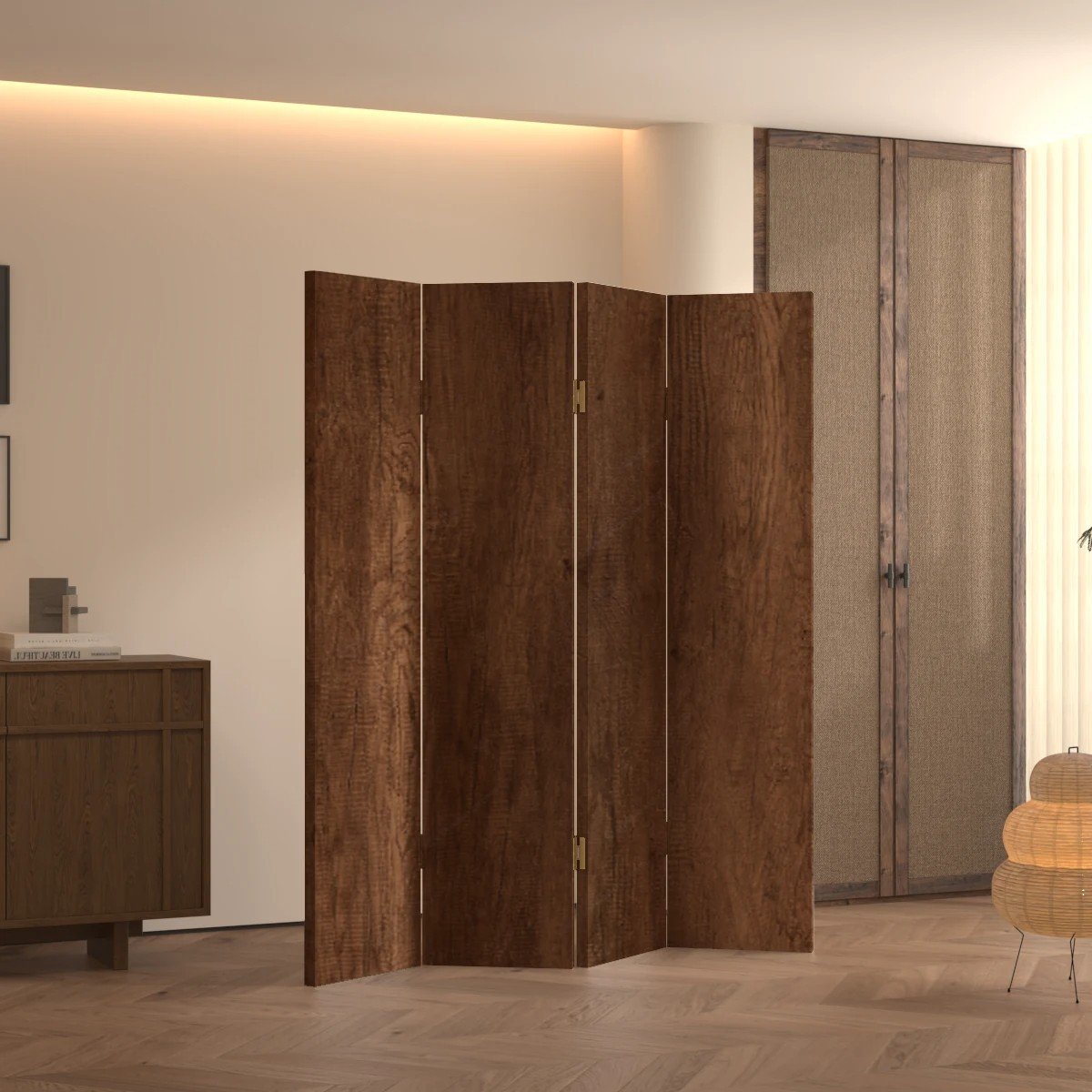
The key to creating a successful modern Japanese partition lies in material selection. Architects and interior designers are moving away from fragile paper towards resilient, high-performance translucent materials. Polycarbonate panels, frosted glass, acrylics, and specialized reinforced resin panels offer the desired light diffusion and privacy level while being impact-resistant, easy to clean, and often class A fire-rated. These infill panels are then paired with robust framing systems, frequently made from aluminum with realistic wood-grain finishes or, ideally, sustainable engineered bamboo or hardwood.
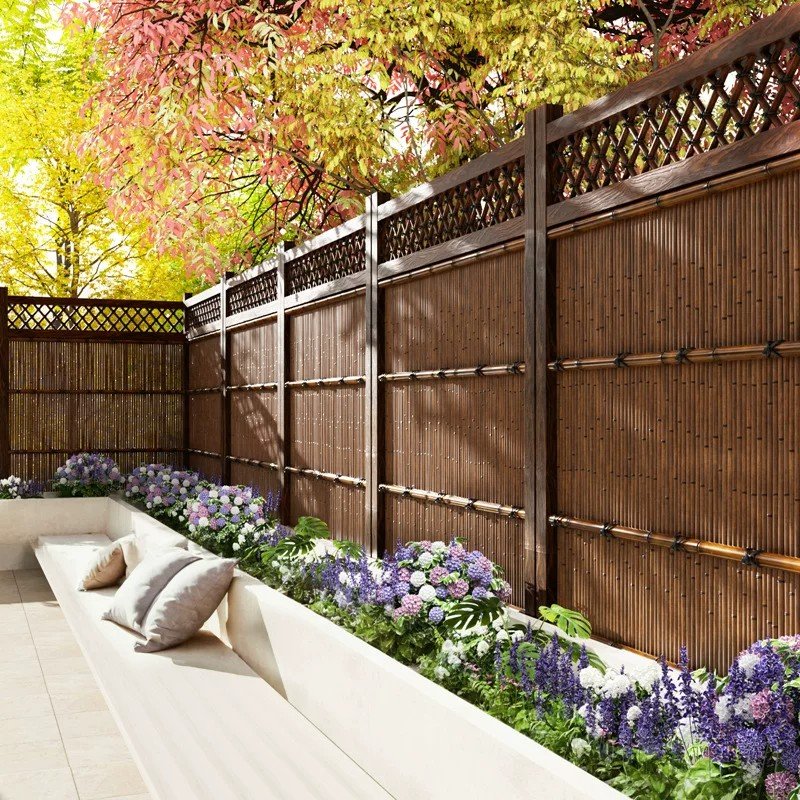
Engineered bamboo is particularly well-suited for framing contemporary Shoji room divider systems. It offers exceptional dimensional stability, preventing the warping that can afflict traditional solid wood frames, and boasts a high strength-to-weight ratio. This allows for slimmer profiles and larger panel sections, echoing the minimalist aesthetic. Furthermore, the use of bamboo reinforces the sustainable design principles inherent in much of contemporary Japanese interior design, appealing to eco-conscious developers and clients in the hospitality sector.
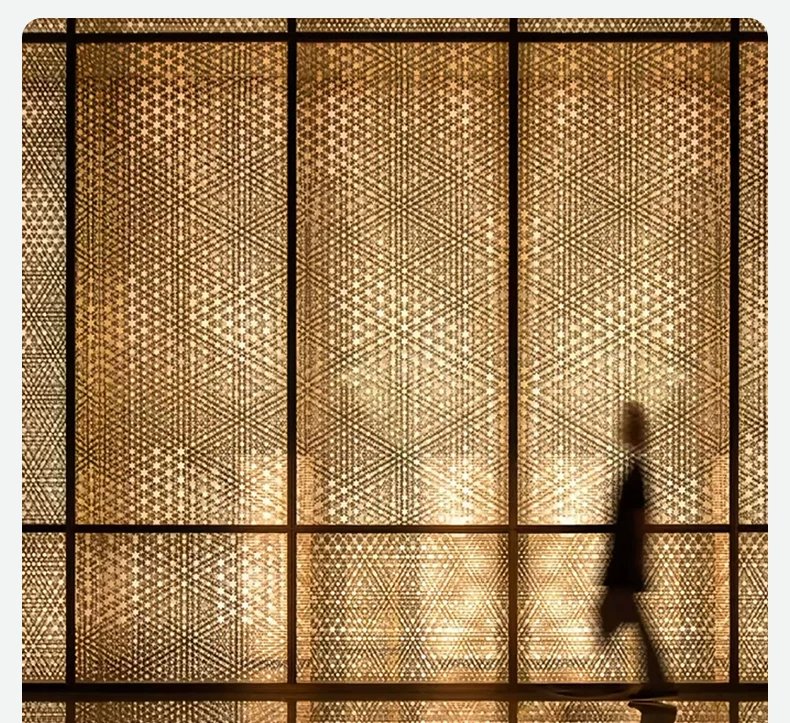
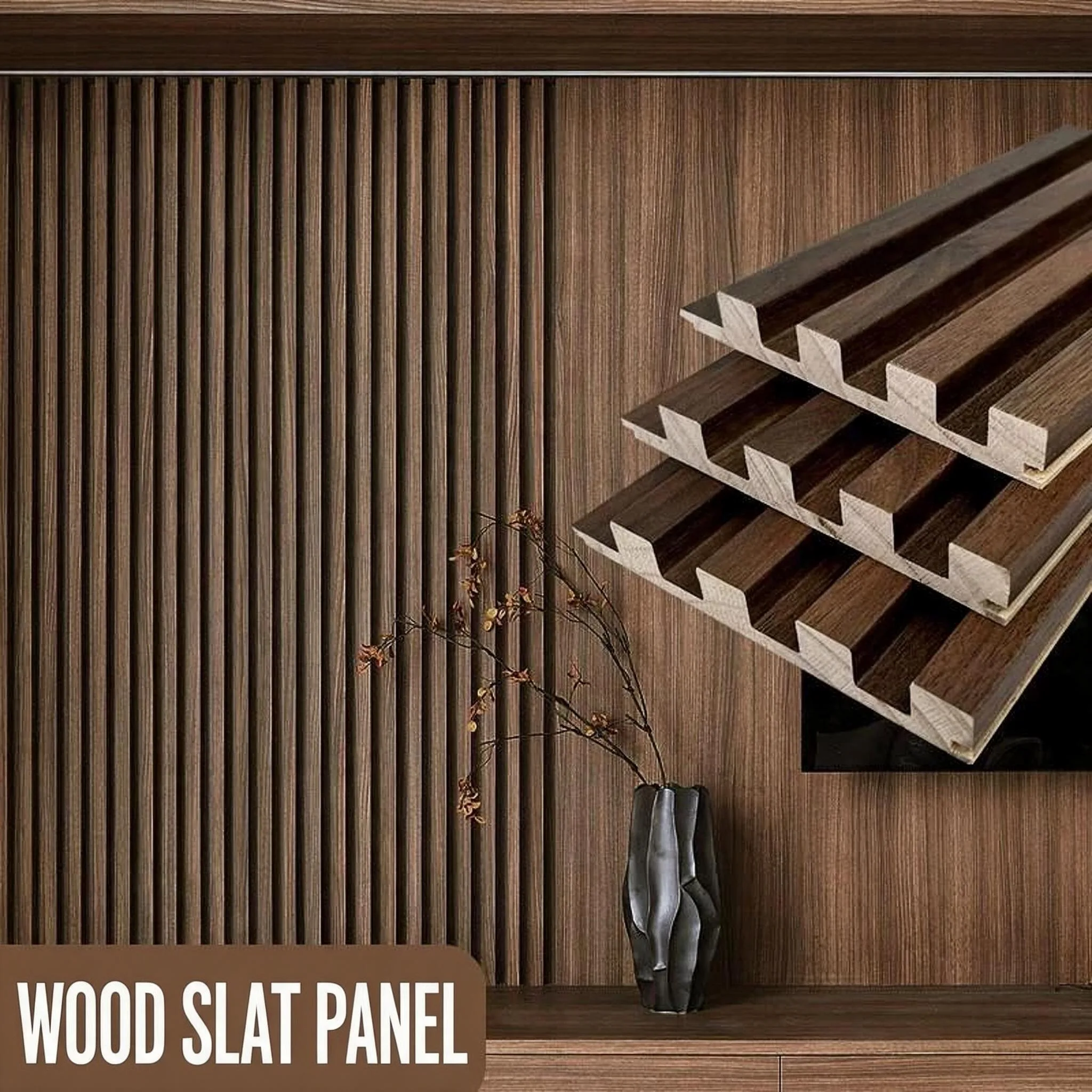
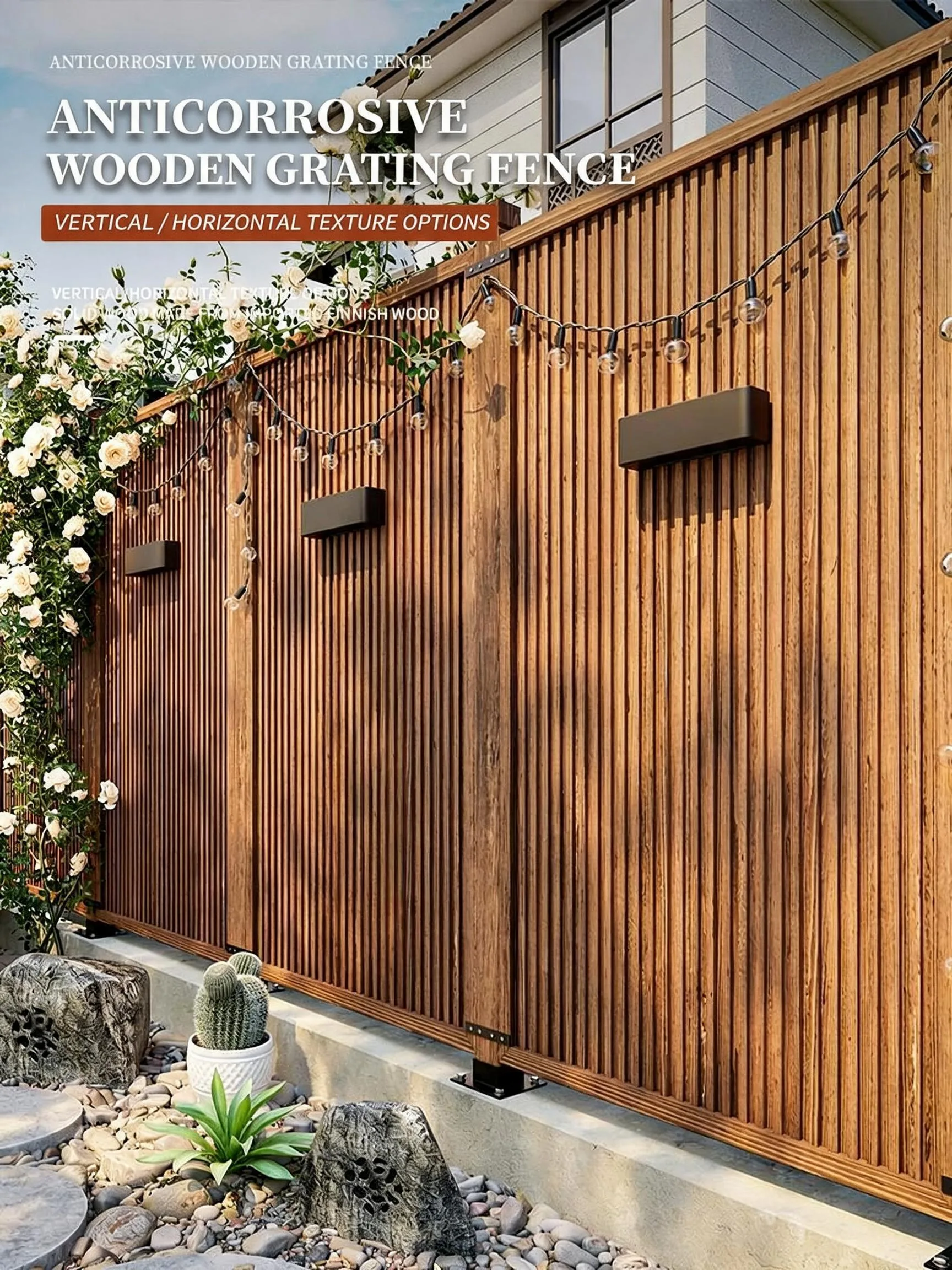
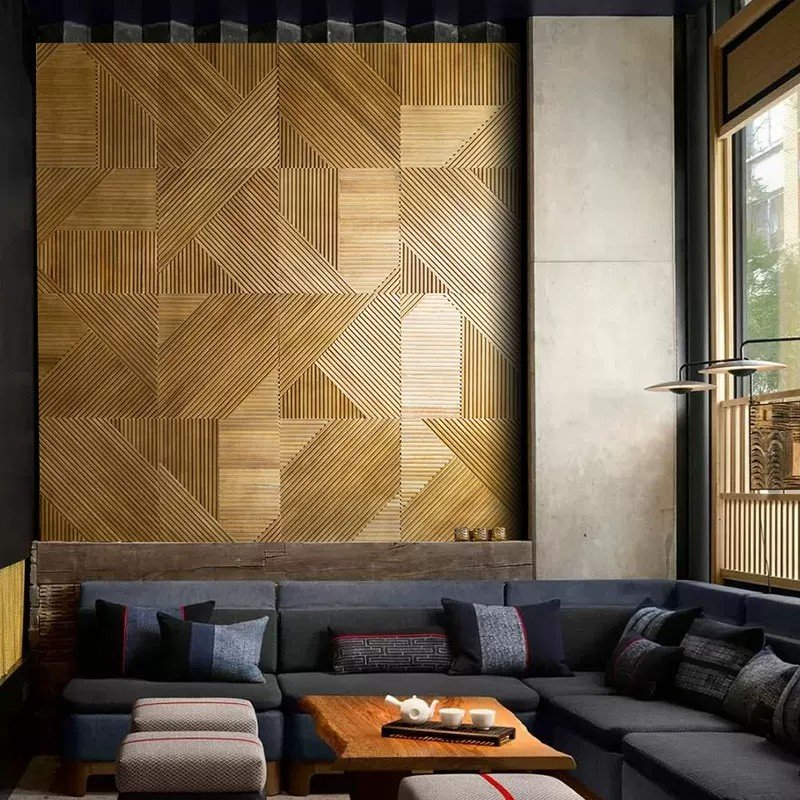
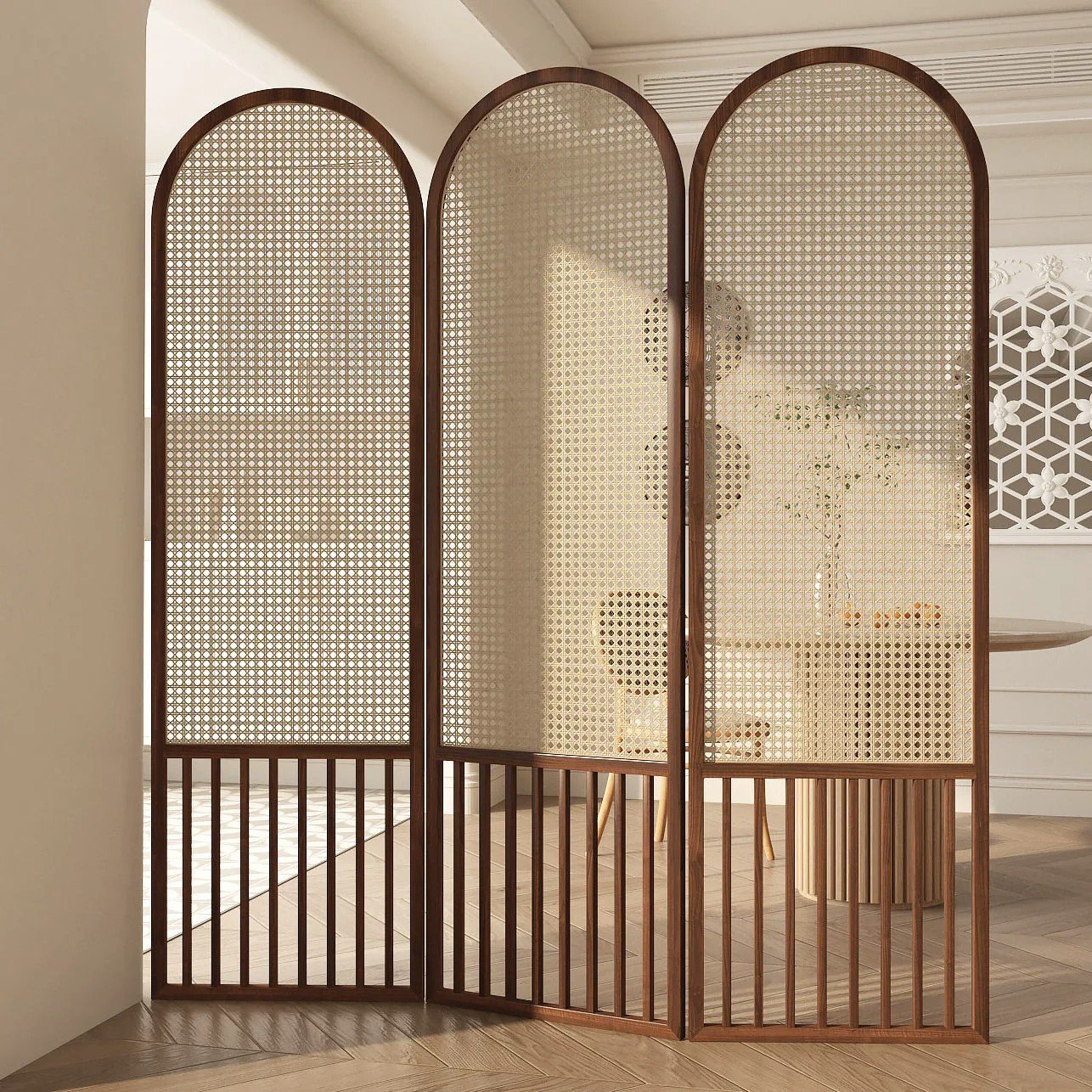
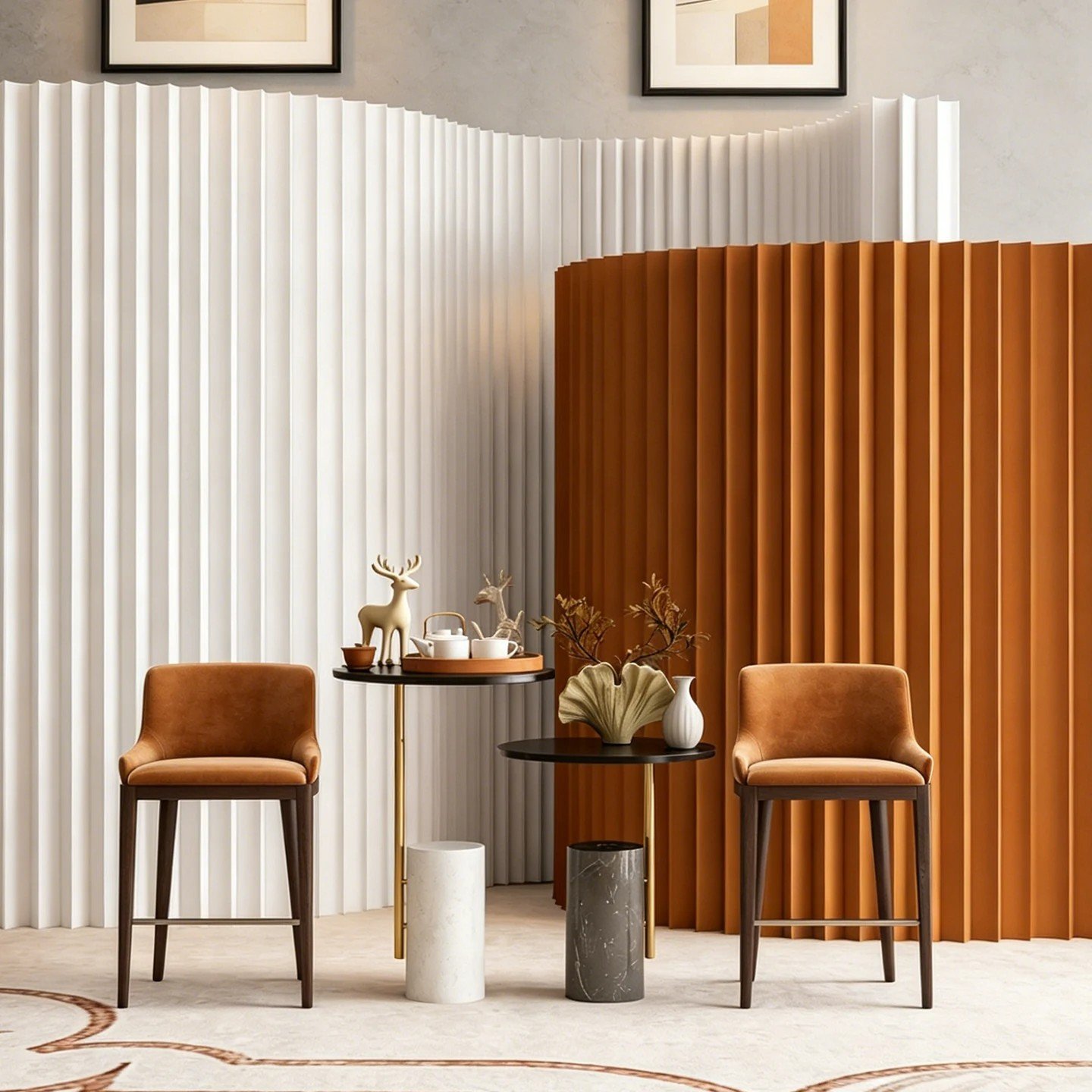
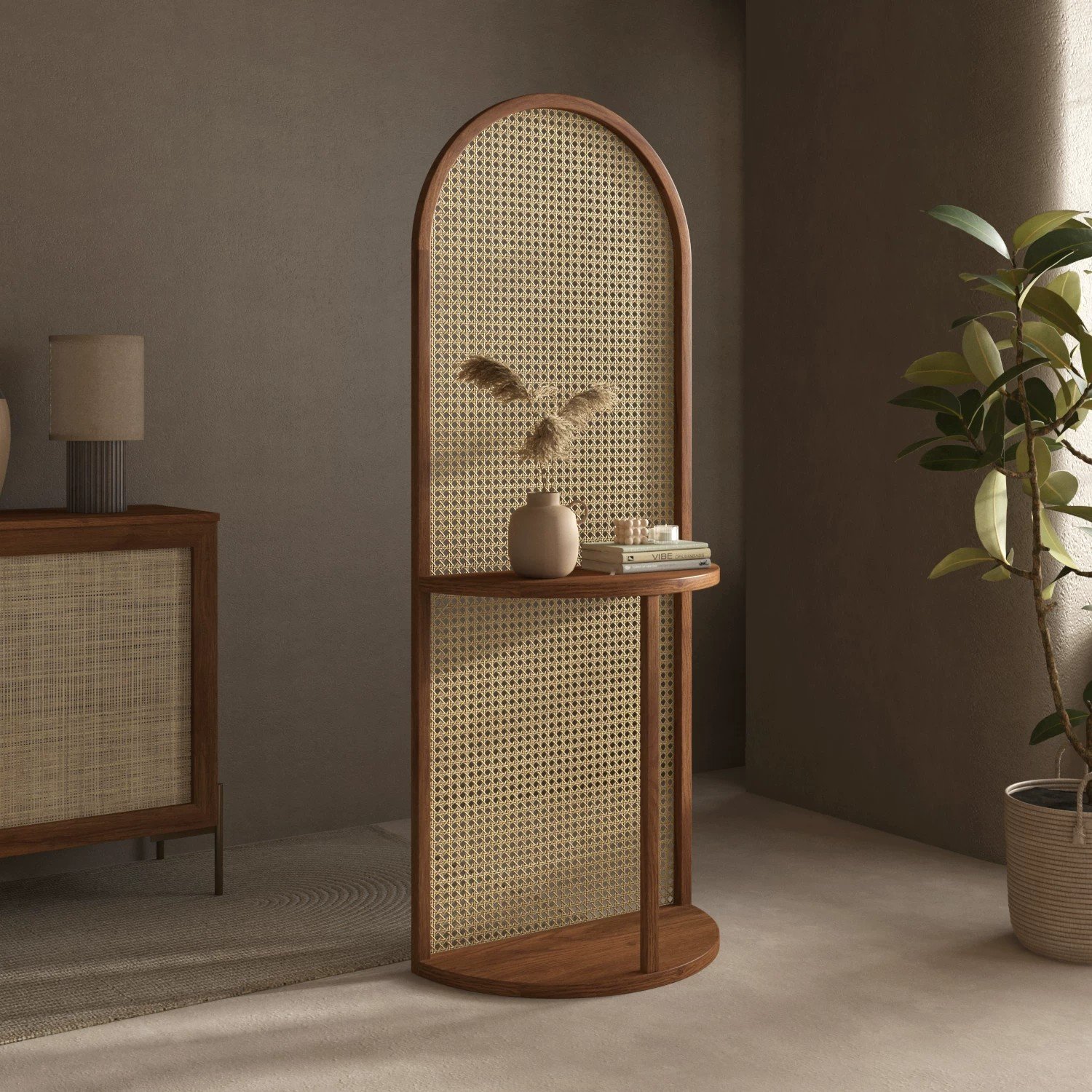
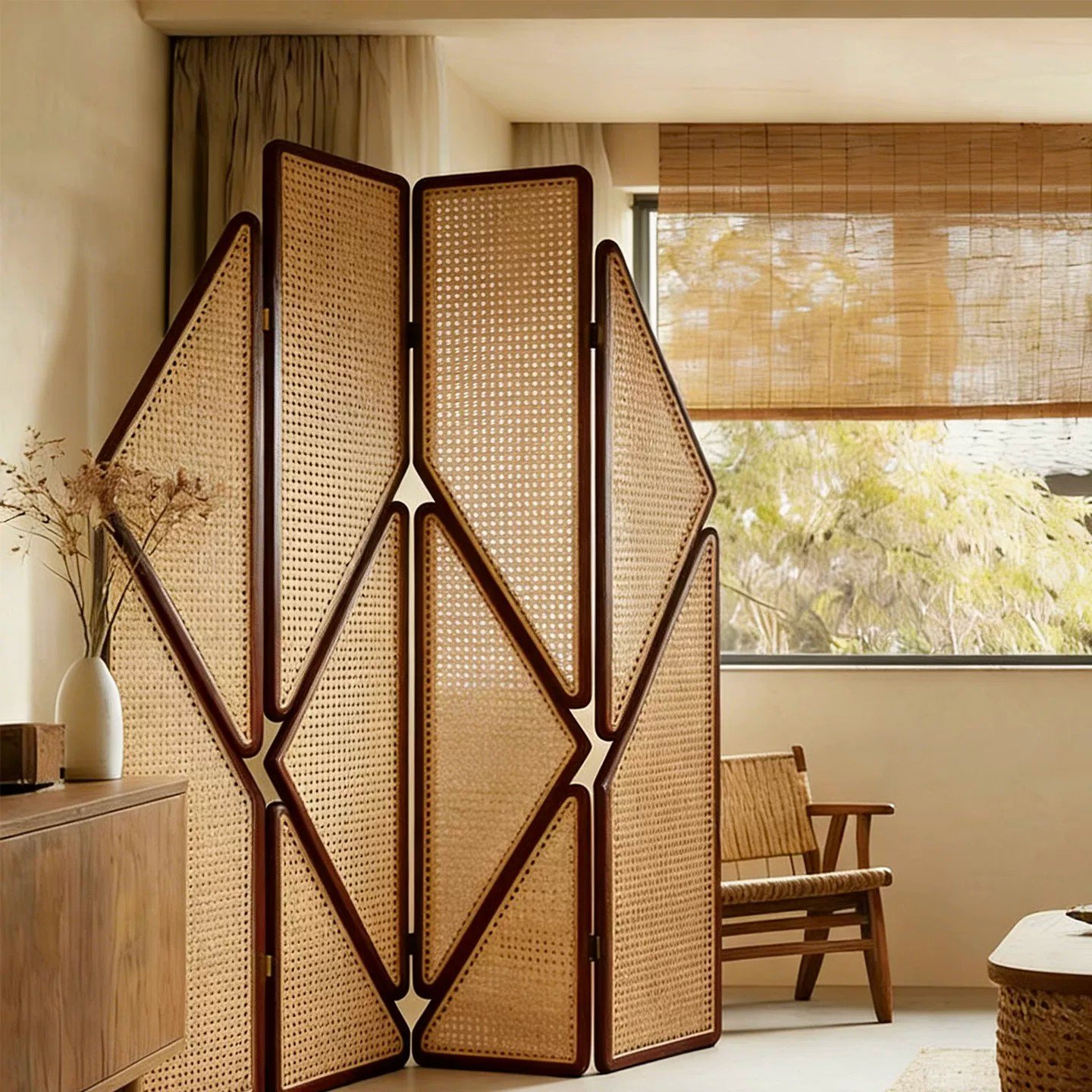
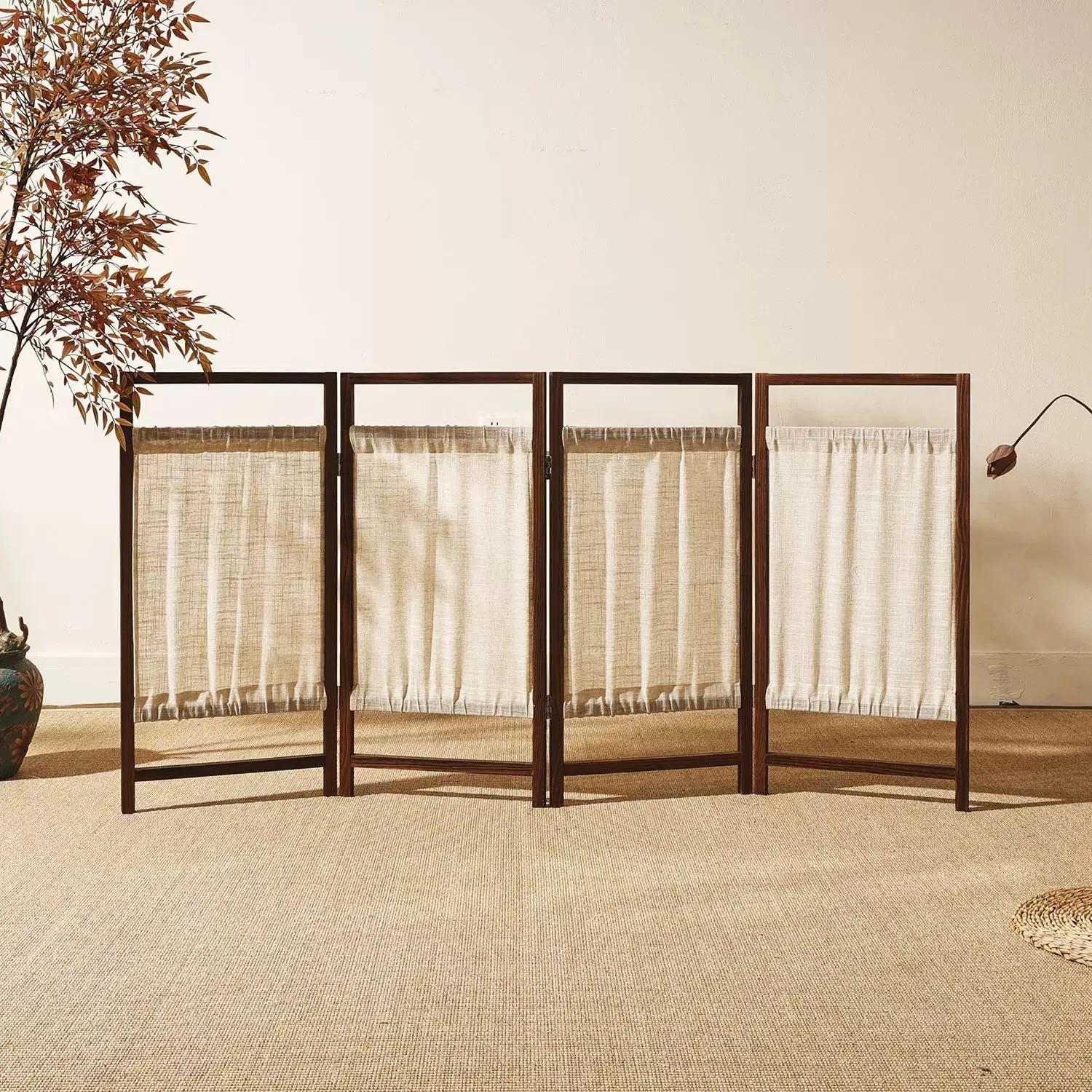
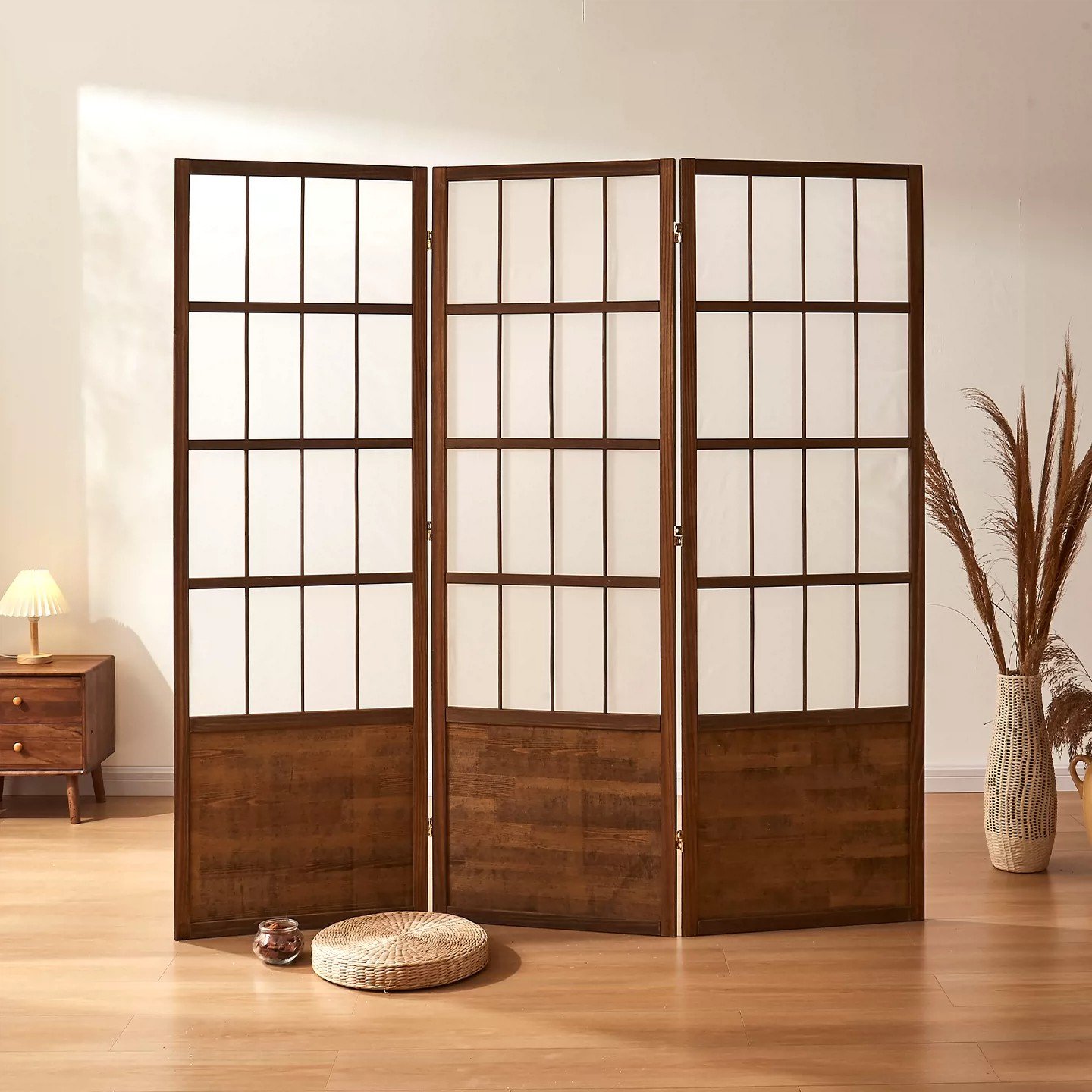
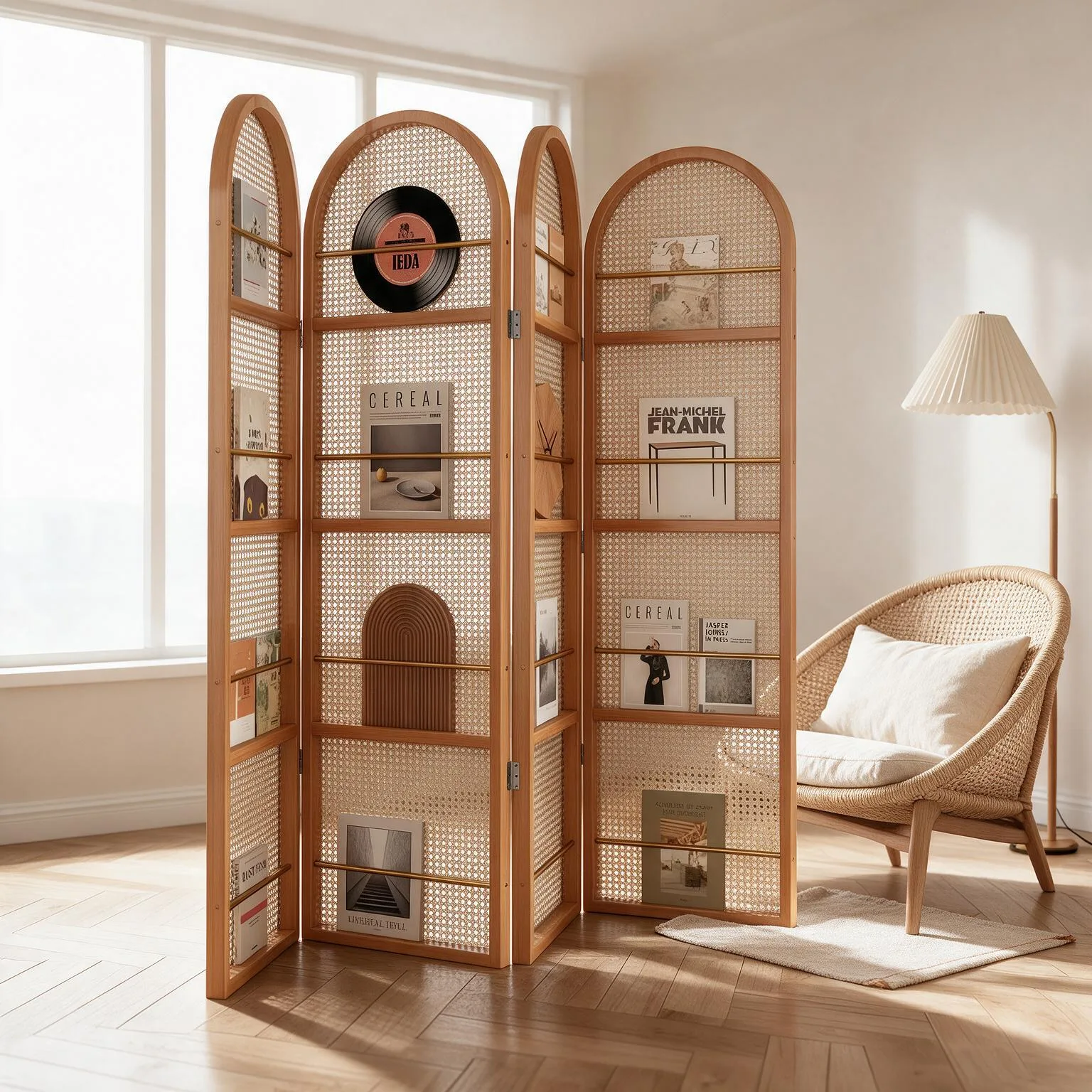
One of the most significant advantages of modern alternatives is the opportunity for extensive customization. While traditional Shoji are defined by specific rectilinear grid patterns (kumiko), modern fabrication methods allow for a vast array of designs. Designers can opt for minimalist, large-format panels with single horizontal or vertical dividers, or intricate, CNC-machined geometric patterns that evoke traditional motifs while maintaining a distinctly contemporary feel. The level of transparency can also be precisely controlled by selecting different infill material opacities, allowing for tailor-made levels of visual connection between spaces.
This customization extends to the finish and color palette. While natural wood tones are central to the Japandi and traditional Japanese aesthetic, frames can be finished in dark stains for a dramatic effect, or even metallic finishes for an industrial-chic interpretation. For highly specialized projects, custom architectural systems can be engineered to incorporate unique materials like woven metal fabrics or embedded natural elements within resin panels, pushing the boundaries of what a modern Shoji screen can be.
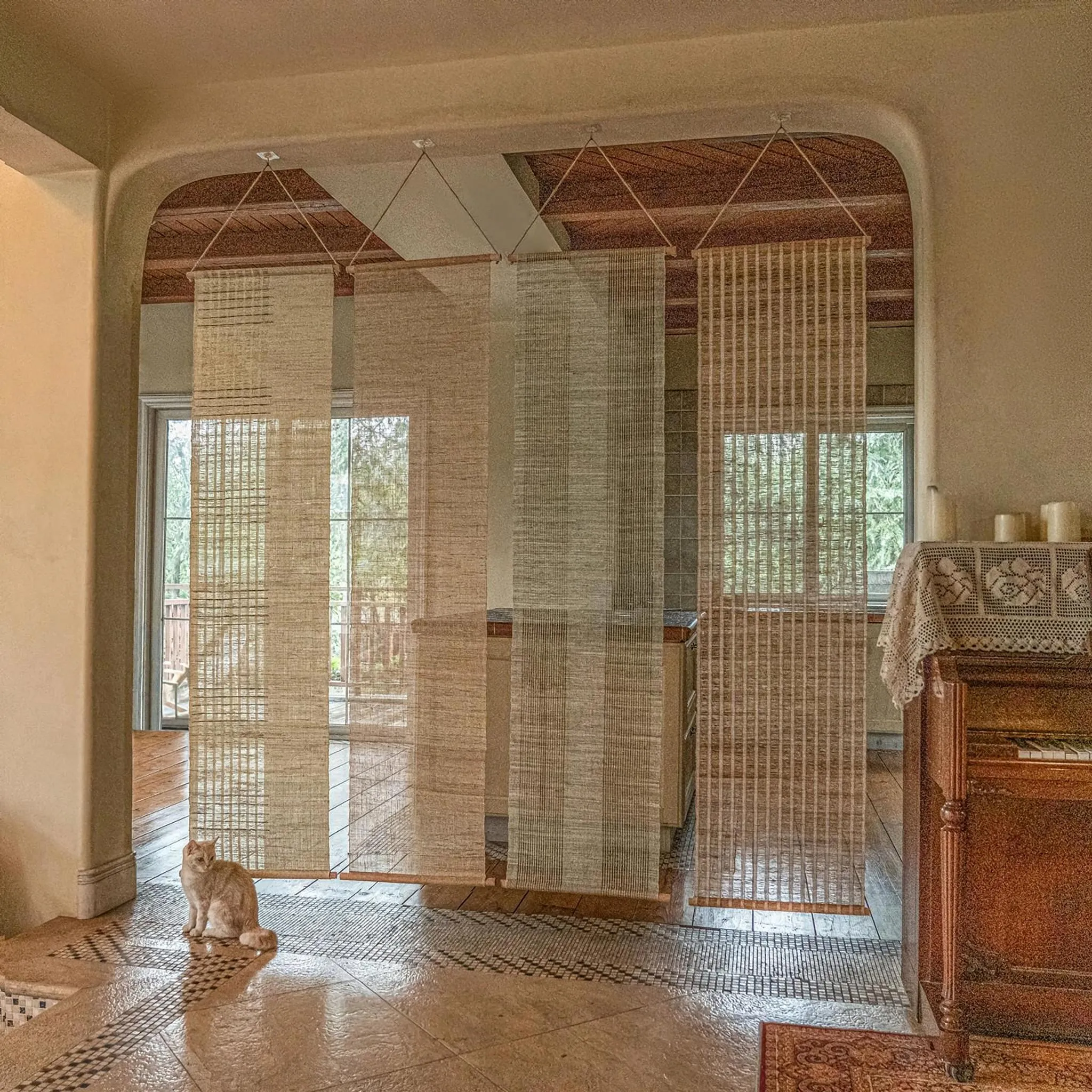
The practical benefits of these alternatives make them ideal for various commercial applications. In hotels, they can be used as elegant room dividers in guest suites to separate the sleeping area from a sitting room, providing visual privacy without blocking natural light. In restaurants, they are excellent for creating semi-private dining alcoves, enhancing the sense of exclusivity while maintaining the overall atmosphere of the main dining room. Spas frequently utilize these partitions to zone relaxation areas and treatment room entryways, contributing to a tranquil, composed environment.
Beyond hospitality, these systems are valuable in high-end residential projects and modern office environments, where they can define adaptable workstations or elegant conference room boundaries. The ease of maintenance—requiring only simple wiping of the durable panels and frames—dramatically reduces operational costs compared to maintaining traditional paper screens. This makes them a financially sound long-term investment for commercial property owners.
When specifying a Shoji screen alternative for a commercial project, careful consideration of several factors is crucial for long-term success:
Modern alternatives offer vastly superior durability, ease of maintenance, enhanced safety (fire and impact resistance), and greater customization options regarding size, patterns, and materials. They are engineered to withstand the rigors of commercial and hospitality environments while maintaining the desired aesthetic.
Yes, provided they are specified with appropriate, durable materials. Utilizing robust framing (such as engineered bamboo or metal) and impact-resistant translucent panels (like polycarbonate or tempered glass) makes them highly suitable for demanding commercial applications.
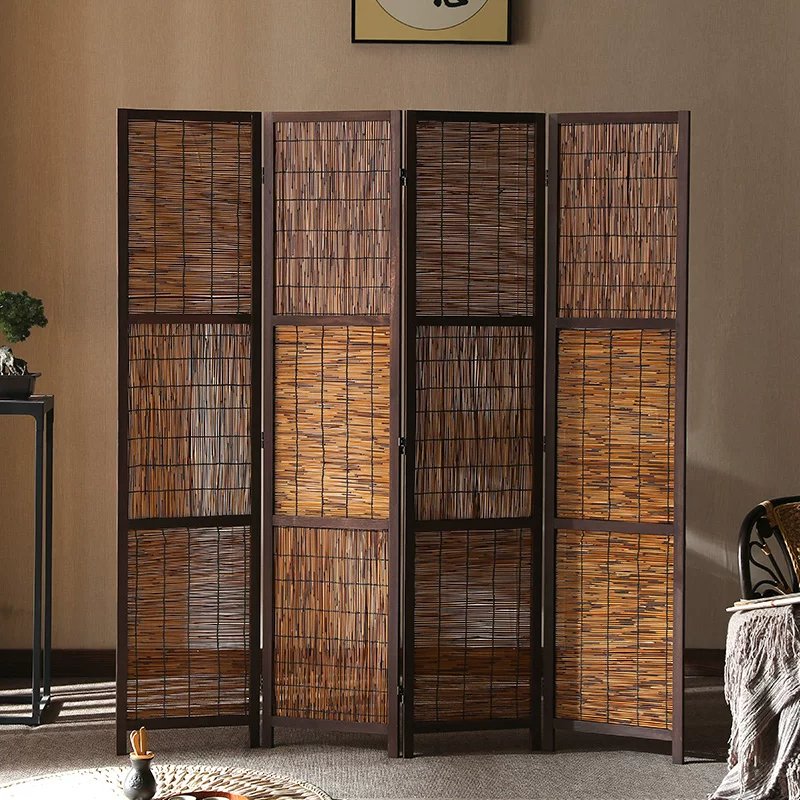
Absolutely. Most reputable suppliers of custom architectural systems can fabricate these partitions to precise dimensions. Customization extends to frame finish, infill material type and opacity, grid pattern design, and operational configuration (e.g., sliding, fixed, folding).
Maintenance is minimal. The durable infill panels and frames generally only require regular dusting and occasional wiping with a damp cloth and mild, non-abrasive cleaner, making them much more practical than paper-based traditional screens.
While the initial material and fabrication cost of a high-quality modern Shoji screen system may be higher than traditional mass-produced or even custom paper screens, the long-term cost is often lower due to significantly reduced maintenance, repair, and replacement expenses.
For the modern architect and interior designer working within the hospitality or luxury commercial sectors, the allure of traditional Japanese spatial design principles remains strong. However, meeting the rigorous demands of these environments requires innovation and material resilience. Sophisticated alternatives to the traditional Shoji screen offer the perfect synthesis: the serene aesthetic, flexible functionality, and light-diffusing qualities of the original, executed with durable, high-performance materials like engineered bamboo and advanced translucent panels. These systems provide a practical, sustainable, and aesthetically versatile solution for defining space and enhancing ambiance. Bambooforma supports designers with customized, natural material architectural systems tailored for high-end projects. Contact Bambooforma today to discuss specifying a tailored partitioning solution for your next development.
52.89
52.99
219