
Modern Alternatives to Traditional Shoji Screens for Contemporary Interiors
Discover durable and sophisticated modern Shoji screen alternatives for luxury hospitality, commercial, and Japandi interior design projects.
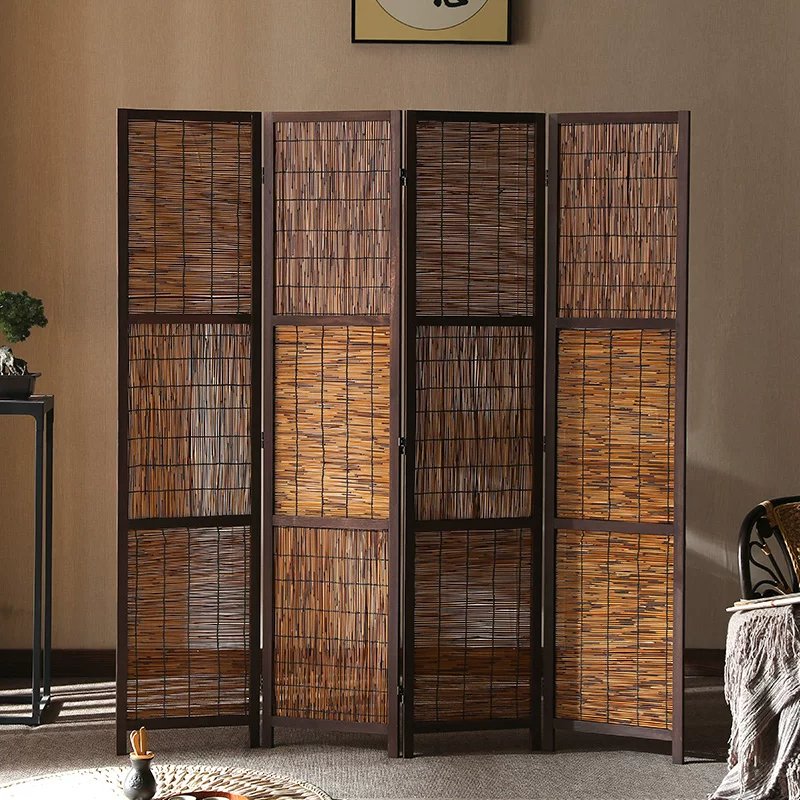
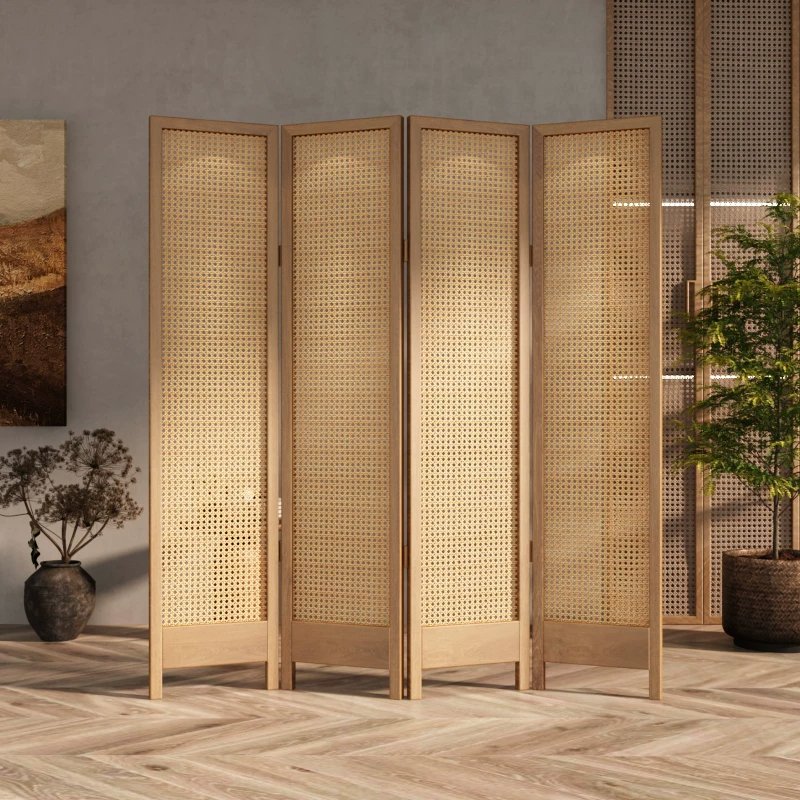
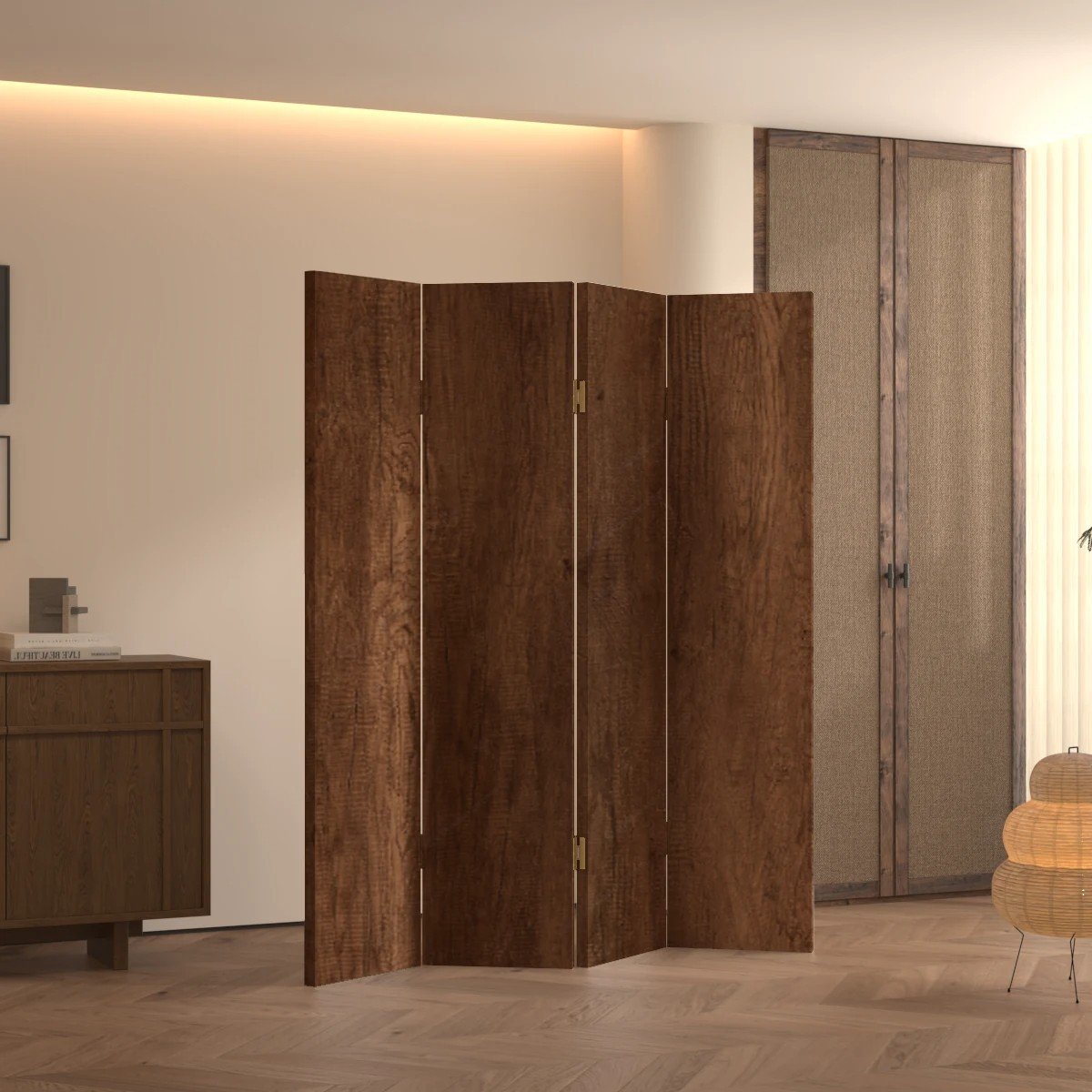
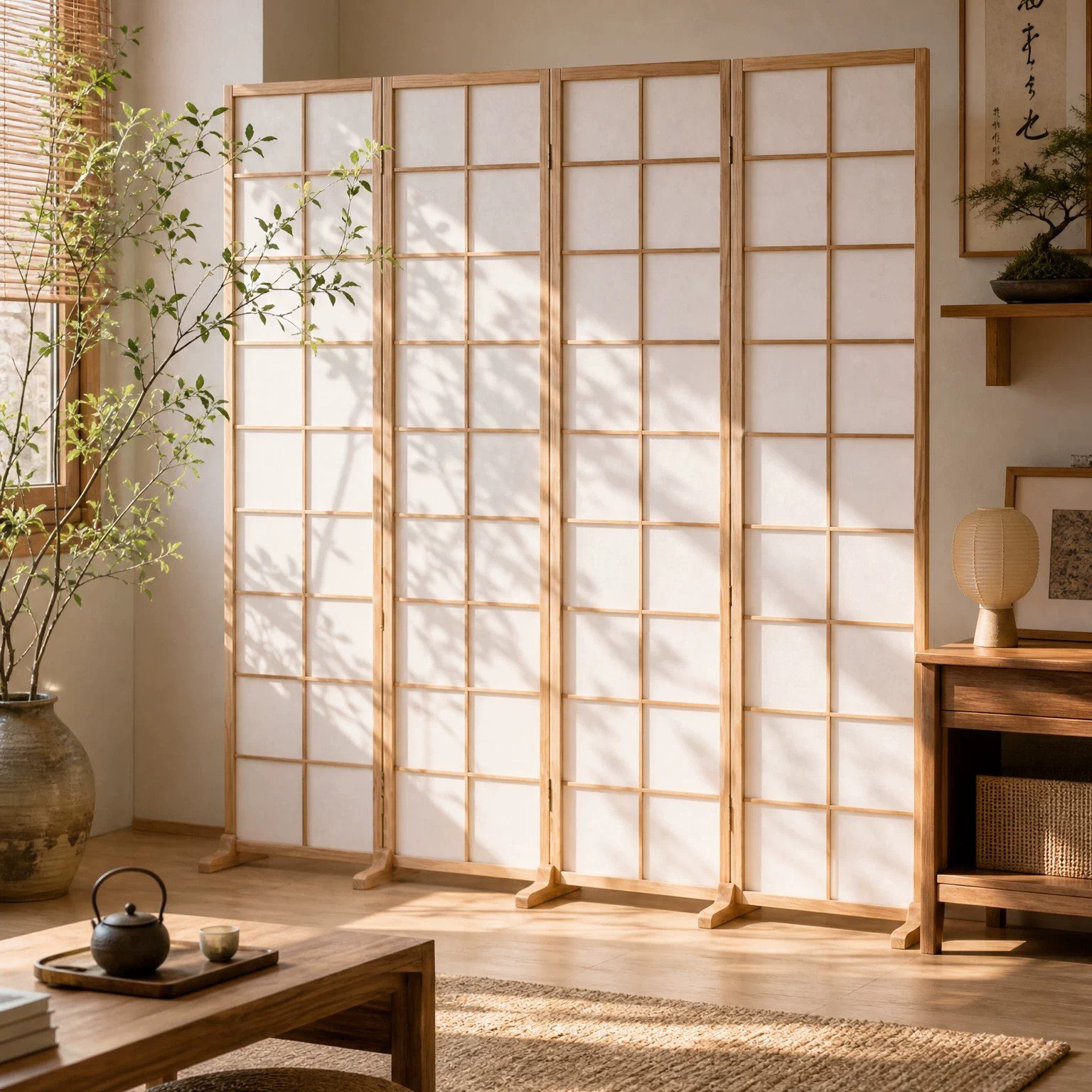
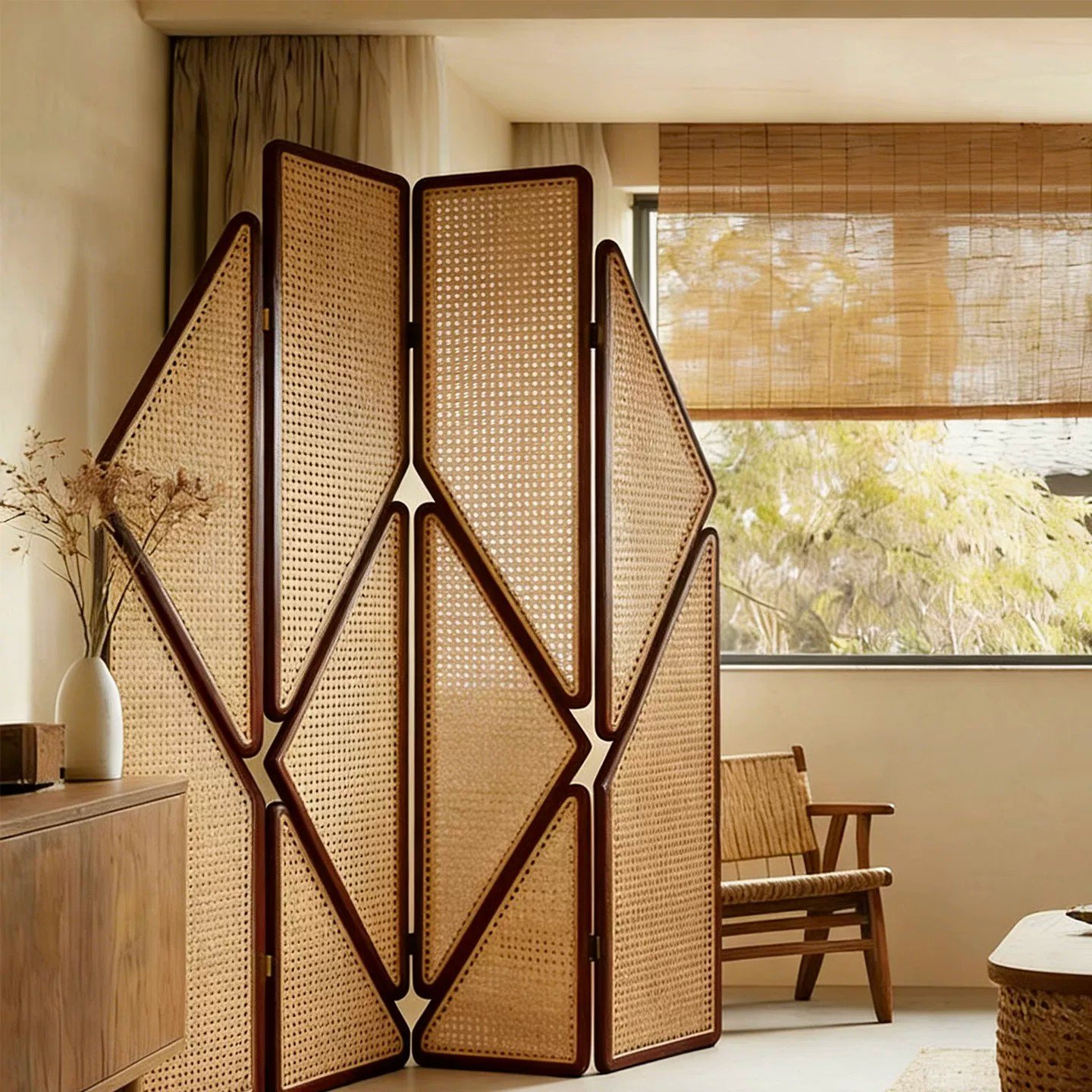
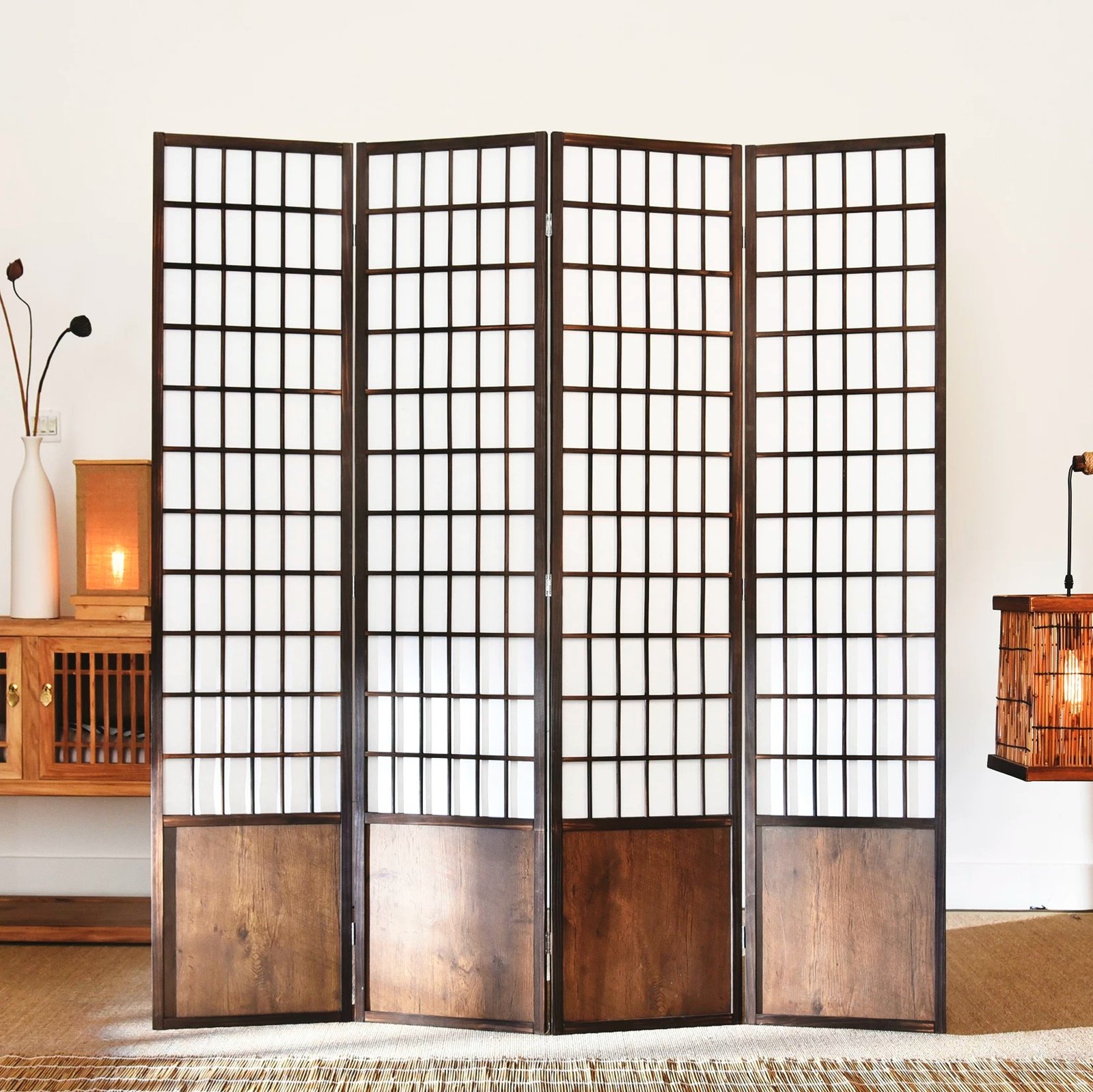
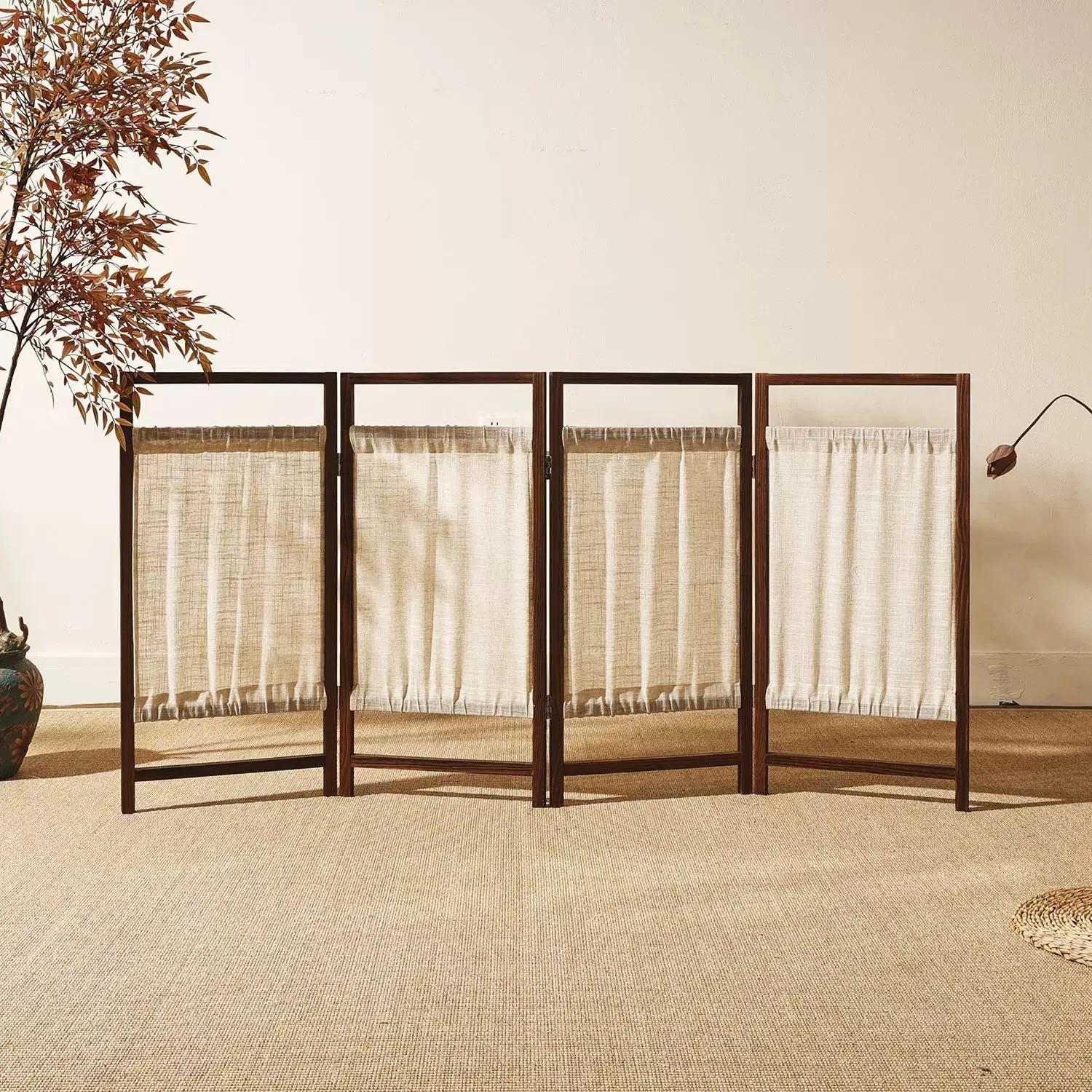
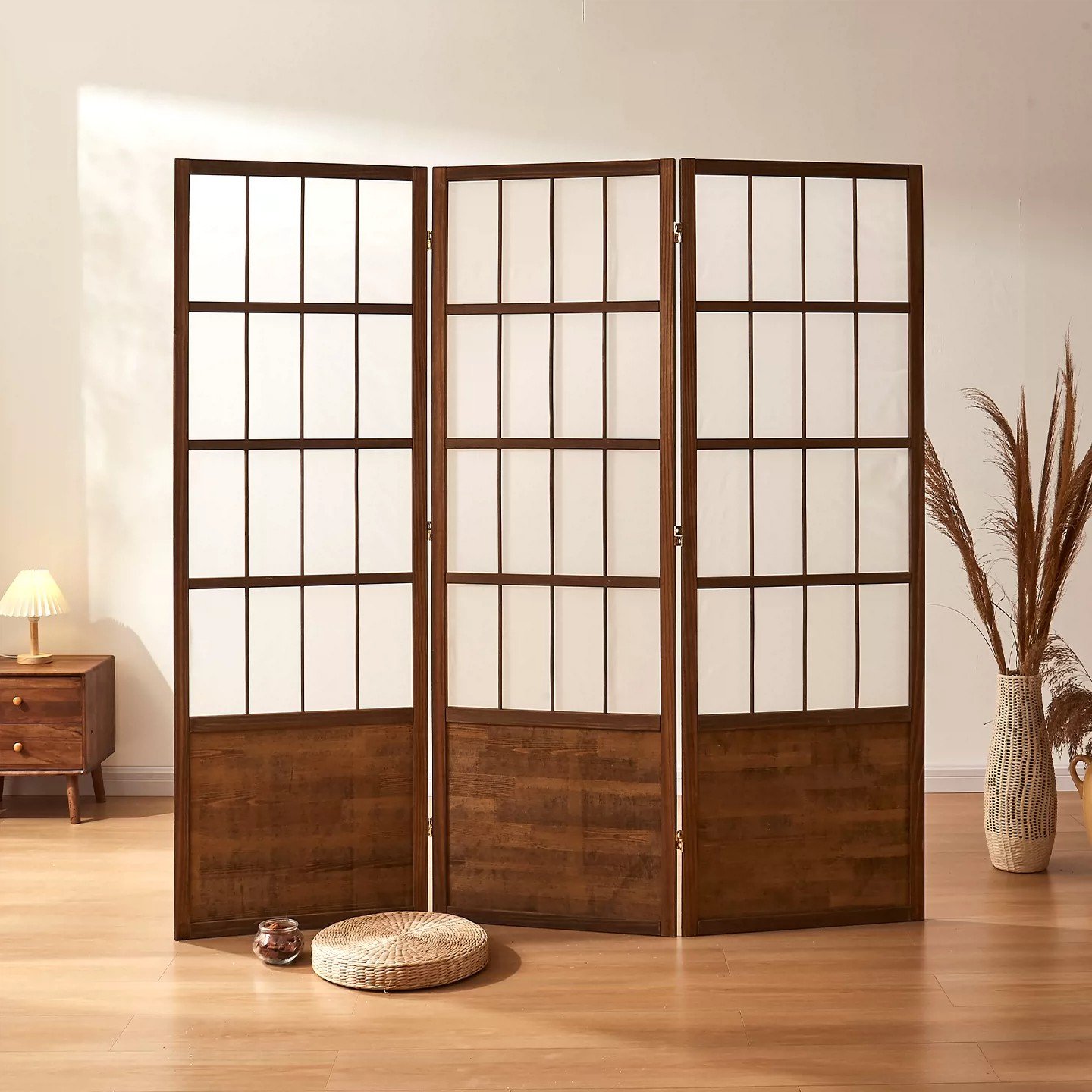
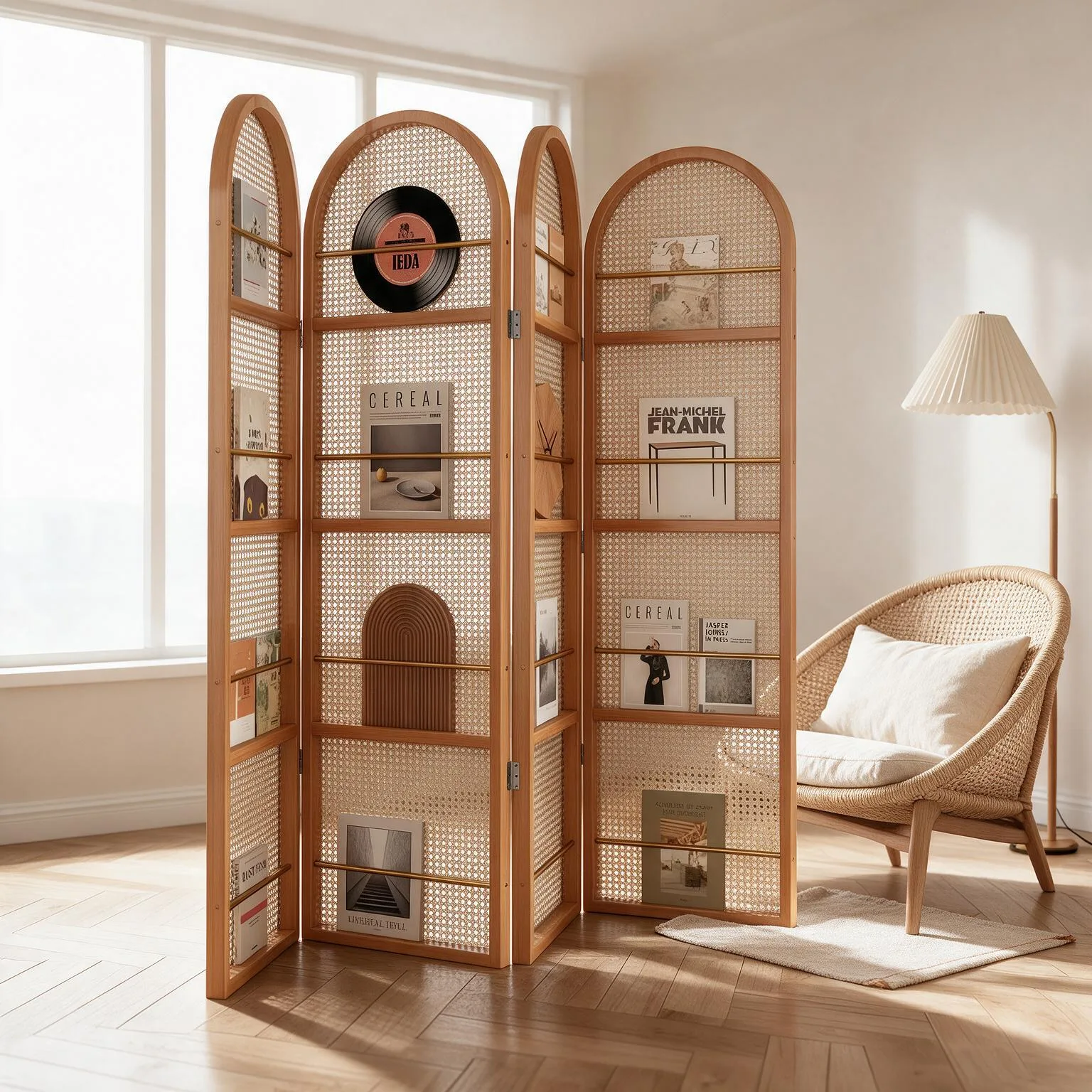
In contemporary Japanese interior architecture, the concept of space is fluid and adaptable. Unlike the rigid compartmentalization often seen in Western design, traditional Japanese architectural design relies on sophisticated, movable elements to define and redefine spaces. This philosophy has profoundly influenced modern hospitality design and commercial projects, where the need for flexible, multi-functional areas is paramount. Central to this approach are internal partitions—the Japanese room partition and the Japanese architectural screen—which serve as essential tools for effective interior space zoning while maintaining visual and spatial continuity.
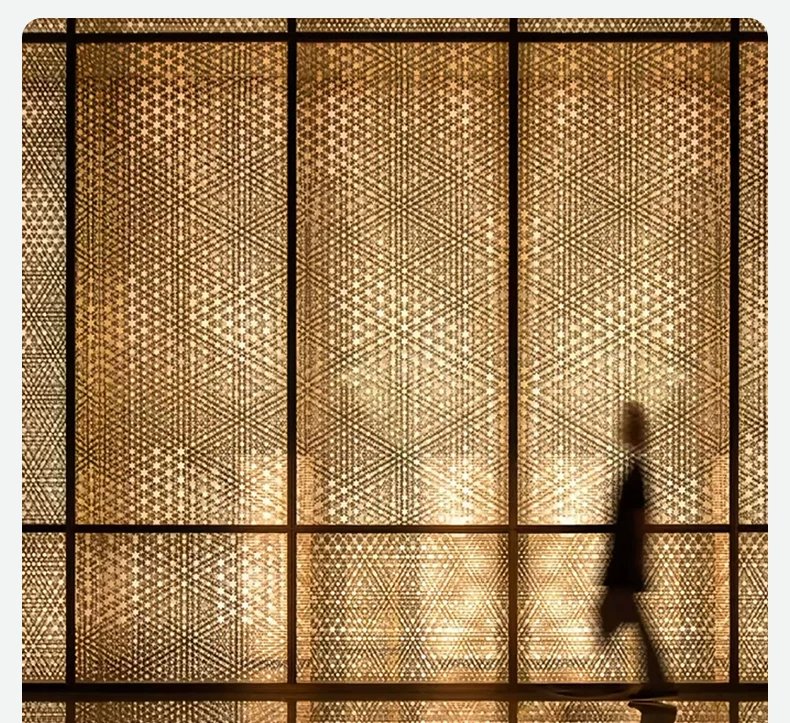
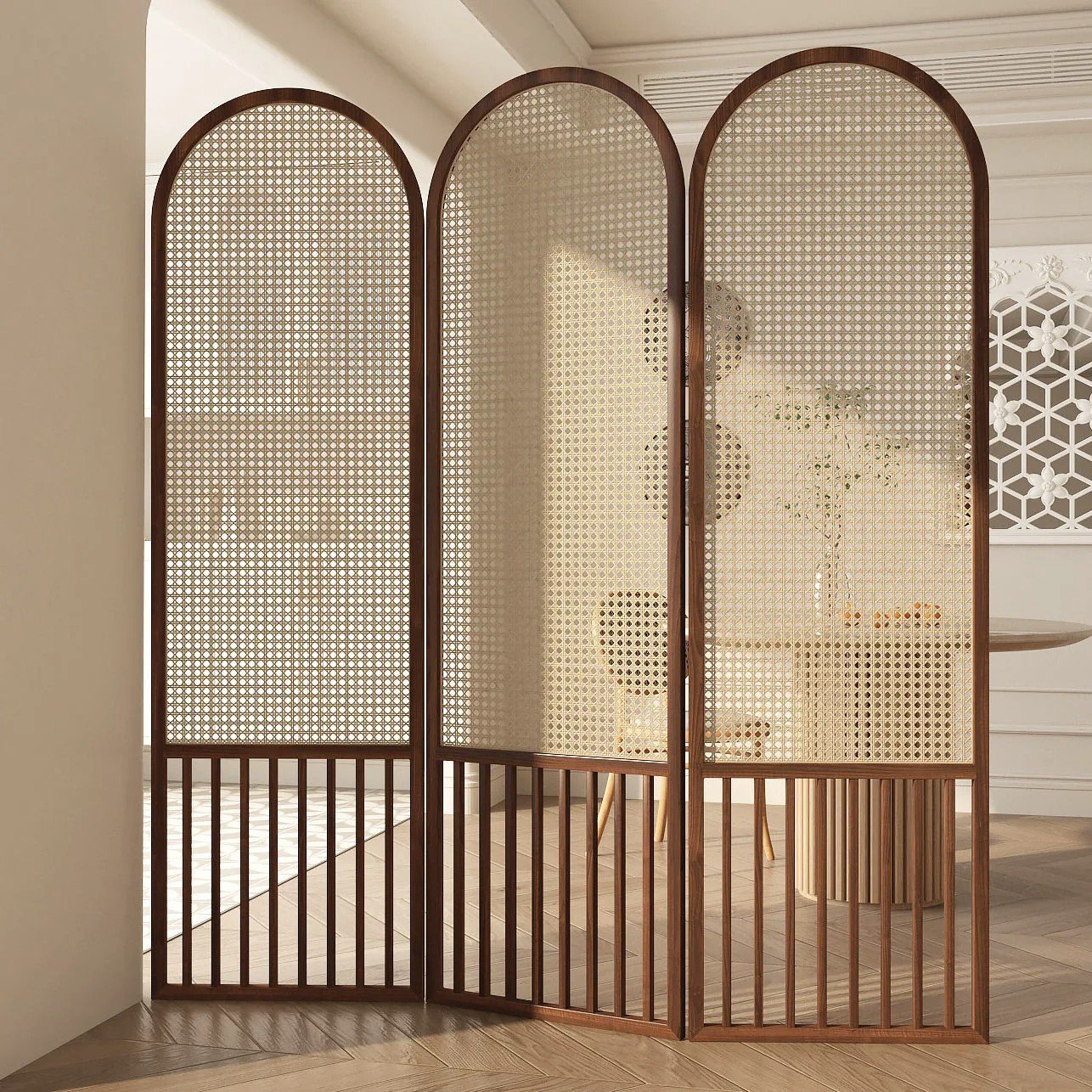
Traditional Japanese design principles, particularly the concept of Ma (negative space or interval) and the use of translucent screens, emphasize a continuous flow between different areas. Bambooforma recognizes that this fluidity is highly valued in luxury environments. Unlike a solid wall that creates a definitive barrier, a Japanese architectural screen offers a degree of translucency or permeability. This allows for the separation of functions—such as delineating a dining area from a lounge in a restaurant or creating a private alcove within a hotel lobby—without sacrificing the overall sense of openness or the flow of natural light.
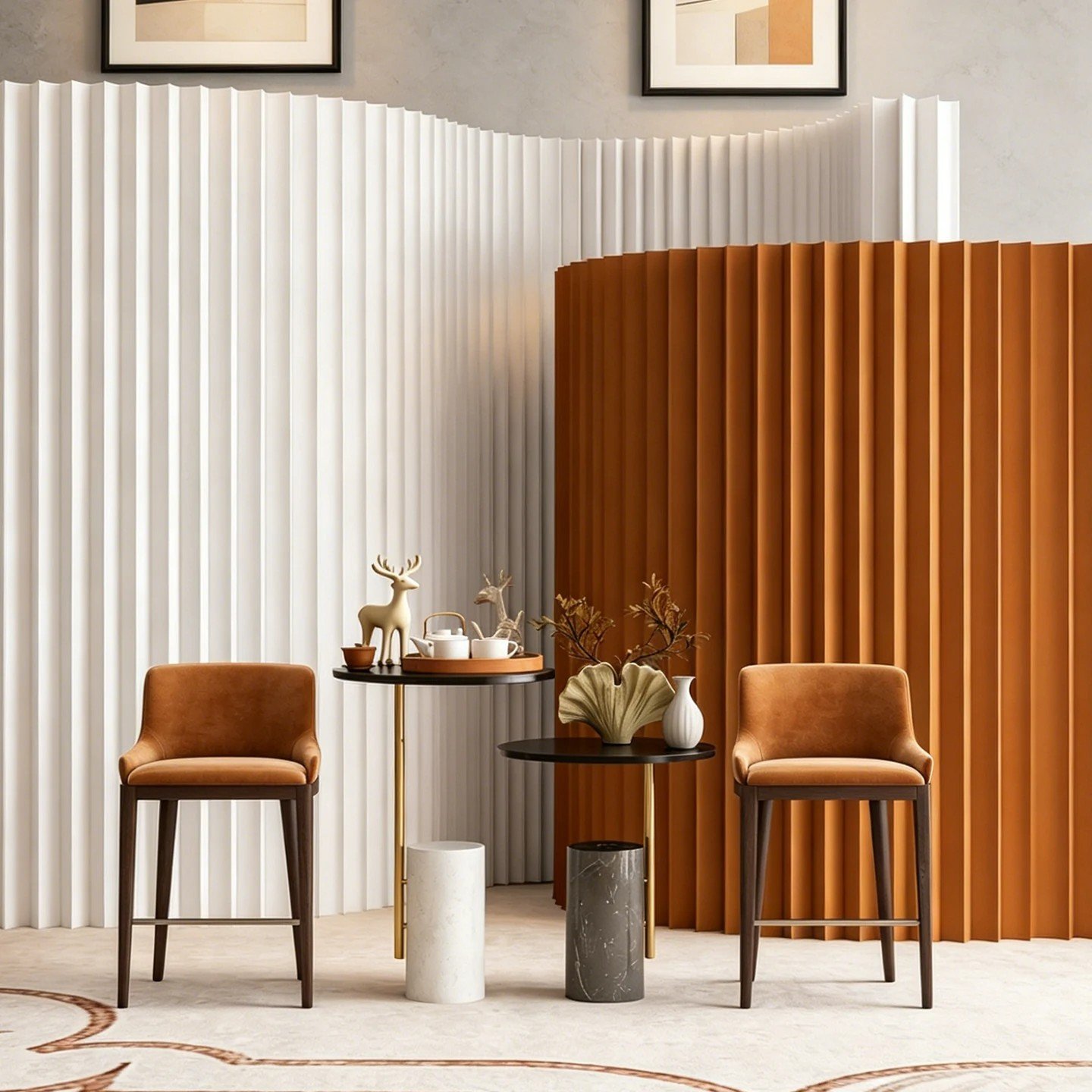
This subtle form of interior space zoning creates a layered experience, where spaces are suggested rather than strictly enforced. It fosters an environment that feels expansive yet intimate, a dual quality highly sought after in luxury hospitality and high-end residential projects.
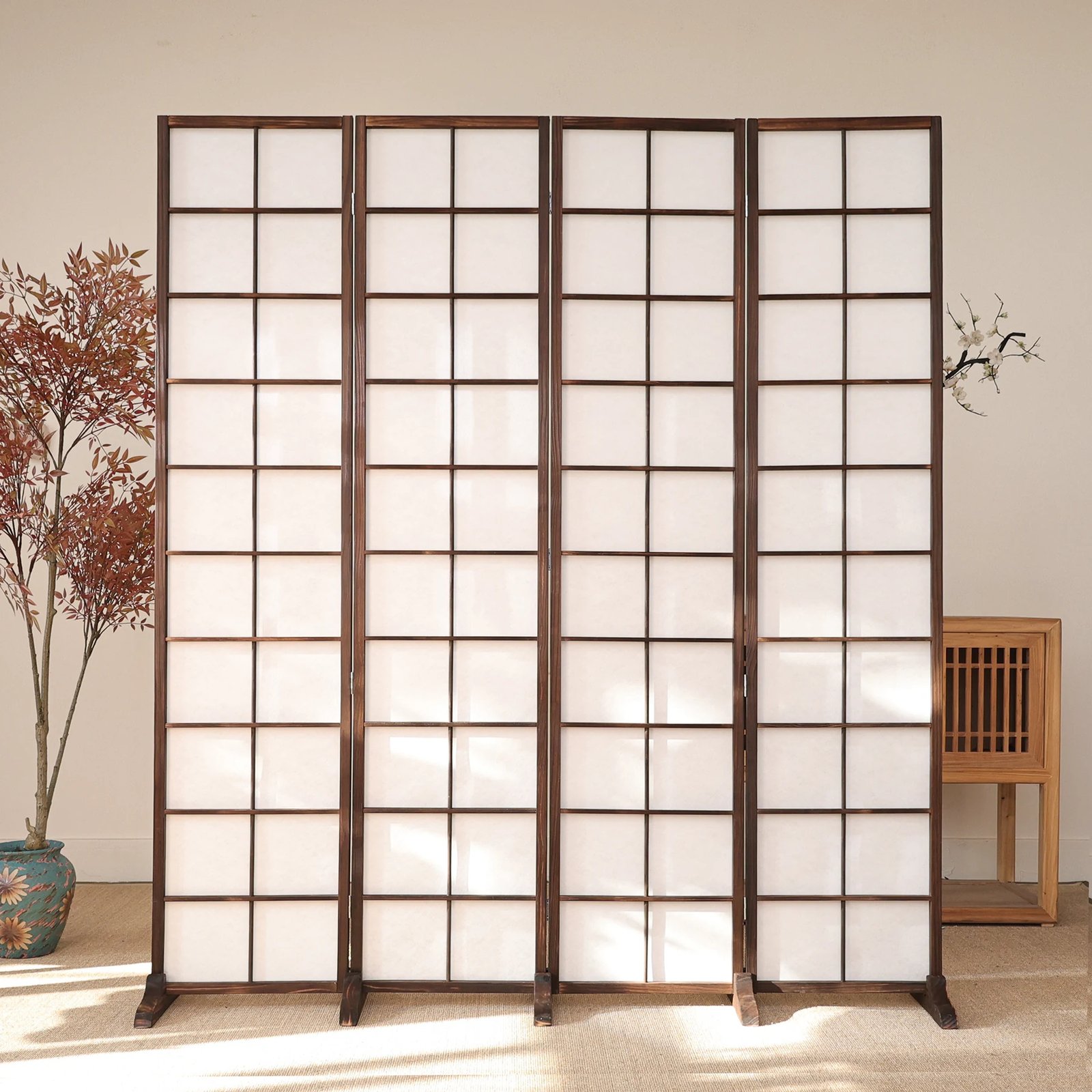
The choice of materials is critical in executing a successful Japanese-inspired architectural solution. Traditional screens often use natural wood or bamboo frames combined with translucent paper. For modern commercial applications, durability and maintenance are key considerations, leading to the adaptation of these designs using premium, sustainable natural materials like those offered by Bambooforma.
When specifying a Japanese room partition for a commercial project, it is essential to consider the material’s performance in high-traffic environments and its ability to meet relevant building codes.
The versatility of Japanese-inspired dividers makes them suitable for a wide range of commercial applications, particularly where flexible zoning is required without substantial structural changes.
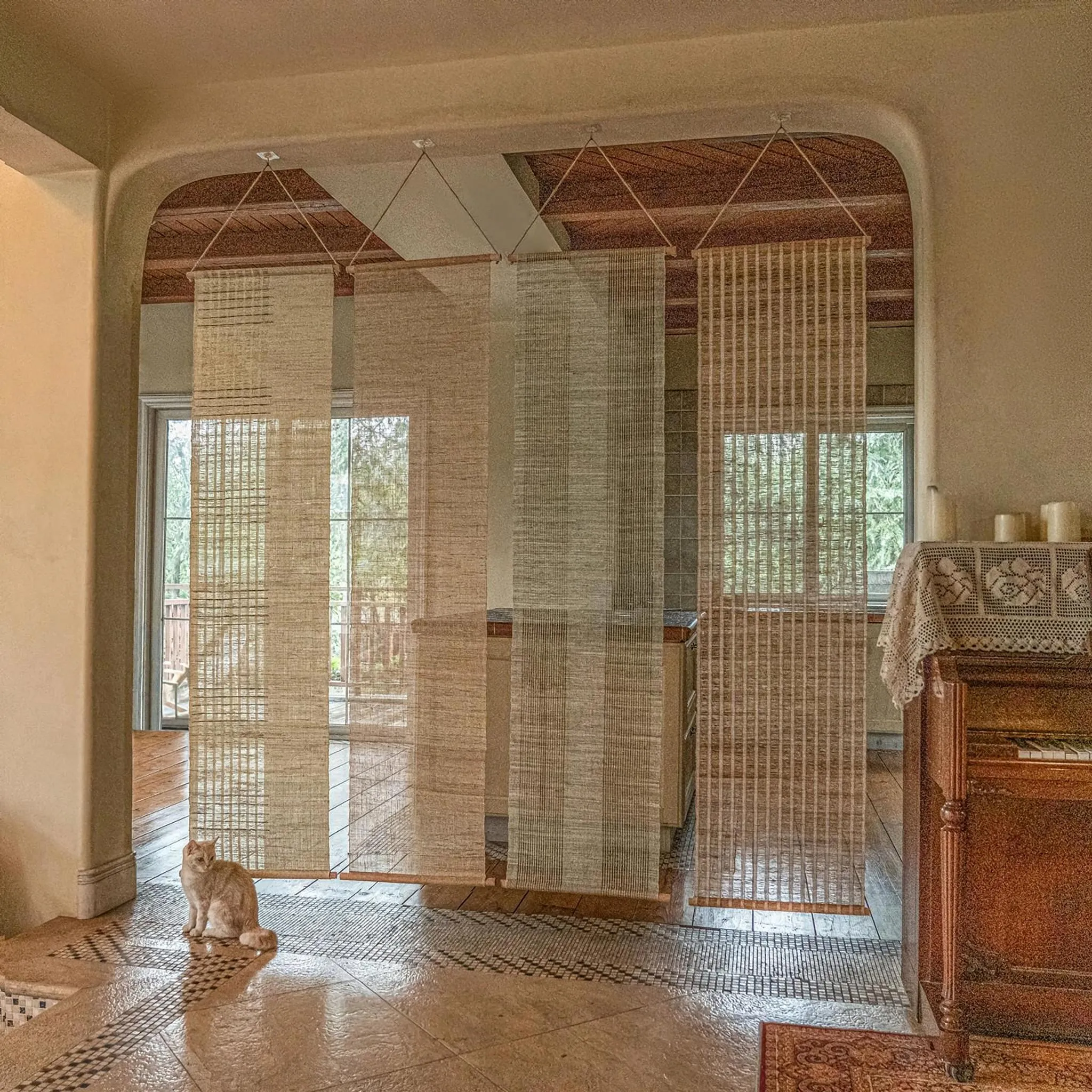
In hotel lobbies and resorts, large, open areas often serve multiple functions, from reception and waiting to casual meetings and dining. Freestanding or ceiling-mounted Japanese architectural screens can be deployed to create distinct zones, guiding guest flow and creating a sense of arrival. For instance, a series of screens can carve out a quiet seating area for intimate conversations or define a path from the entrance to the reception desk, all while maintaining a visual connection to the surrounding space.
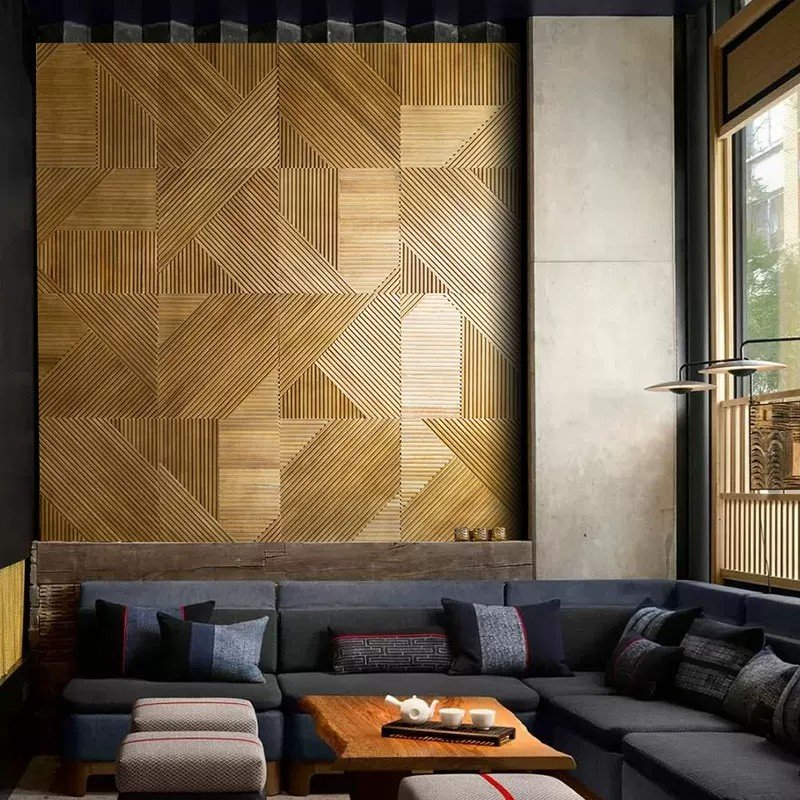
Effective spatial organization is crucial for restaurant design. A Japanese room partition can be used to create private dining enclaves, separate the bar from the main dining room, or provide visual screens for service stations. This creates a more dynamic and comfortable dining experience, allowing guests to feel secluded while still enjoying the energy of the establishment. The aesthetic of natural bamboo or wood also contributes significantly to a warm, inviting atmosphere.
Successful implementation requires careful attention to both design and technical details. Bambooforma provides architects and designers with the necessary support to realize complex visions.
Customization is often essential for achieving a precise architectural look. Considerations include:
For high-traffic commercial environments, durability and ease of maintenance are critical. Natural materials must be appropriately treated and finished to ensure longevity and resistance to wear. Bambooforma architectural systems are engineered to meet these demands, offering robust solutions without compromising on the authentic aesthetic.
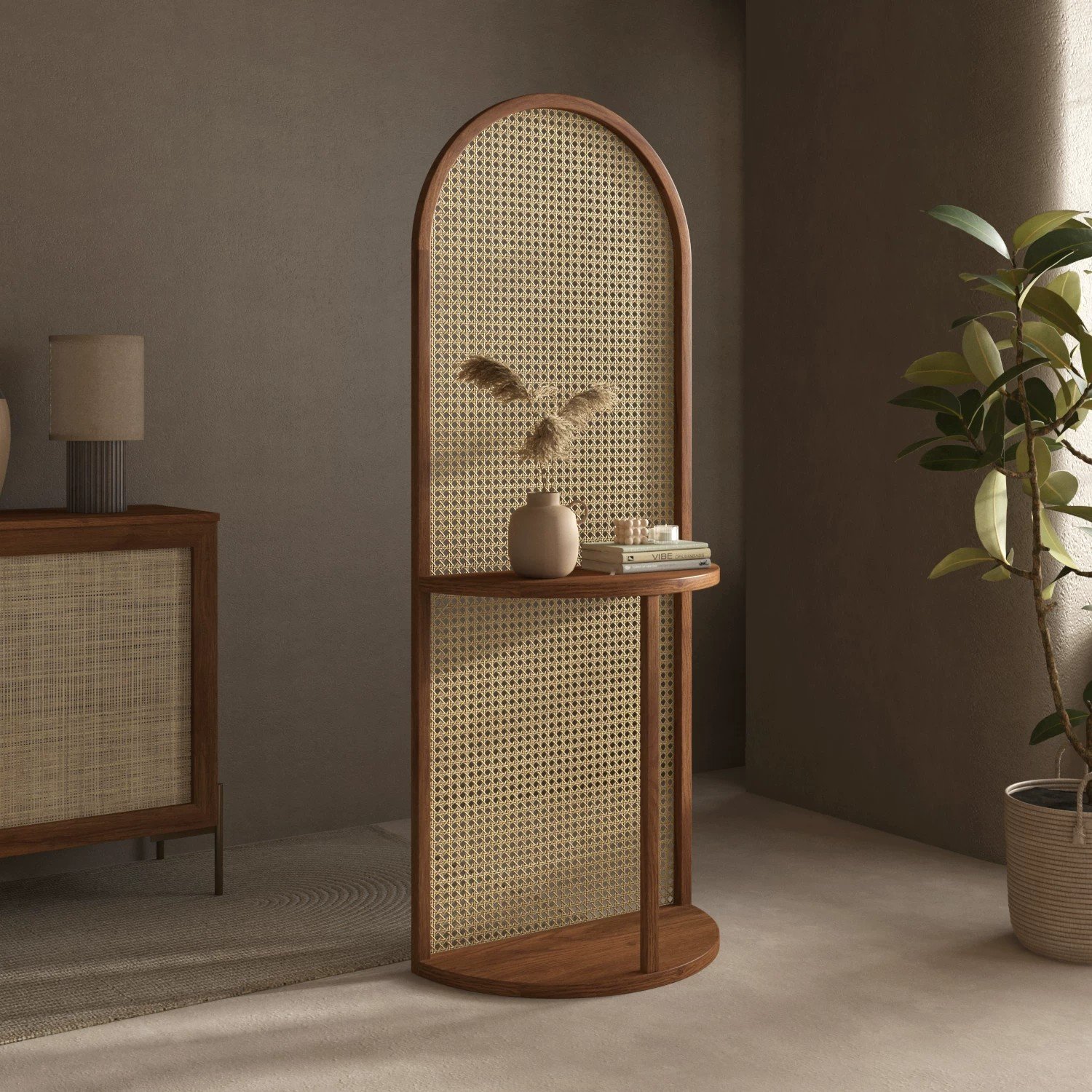
Traditional screens often use paper infills which are not suitable for high-traffic or damp areas. Modern commercial adaptations, like those provided by Bambooforma, utilize robust natural materials like treated bamboo, sustainable wood, and resilient woven panels to ensure durability, fire resistance, and ease of maintenance while replicating the aesthetic and function.
Yes, provided the materials are selected and treated correctly. Bamboo and certain treated woods exhibit excellent moisture resistance. However, careful consideration must be given to finishes and hardware to ensure long-term performance.
Using rapidly renewable natural materials like bamboo significantly reduces the environmental impact compared to synthetic or resource-intensive materials. Many Japanese room partition systems are also designed for modularity, allowing for reuse or adaptation rather than disposal.
Yes, custom architectural systems are a hallmark of Bambooforma‘s offerings. Architects can collaborate to define dimensions, patterns, materials, and finishes to perfectly match the specific requirements of a luxury hospitality or commercial project.
The principles of Japanese interior architecture offer invaluable solutions for modern commercial and hospitality spaces, where flexibility, light management, and authentic materiality are prioritized. The strategic use of Japanese room partitions and architectural screens enables sophisticated interior space zoning, creating environments that are both functionally efficient and aesthetically refined. By leveraging natural materials like bamboo and wood, Bambooforma empowers architects and designers to create spaces that resonate with the subtle elegance and enduring value of natural architecture. For tailored advice on integrating these systems into your next project, contact Bambooforma for a professional consultation.
52.89
52.99
219